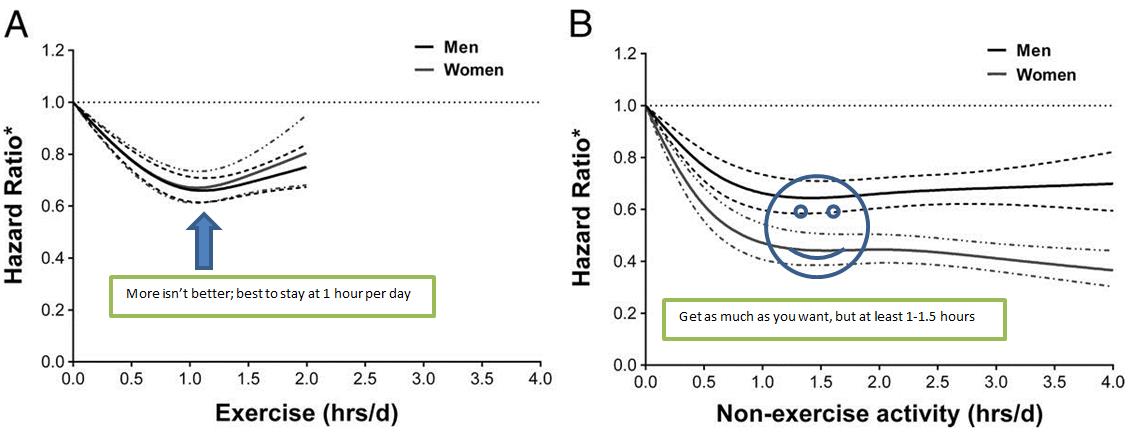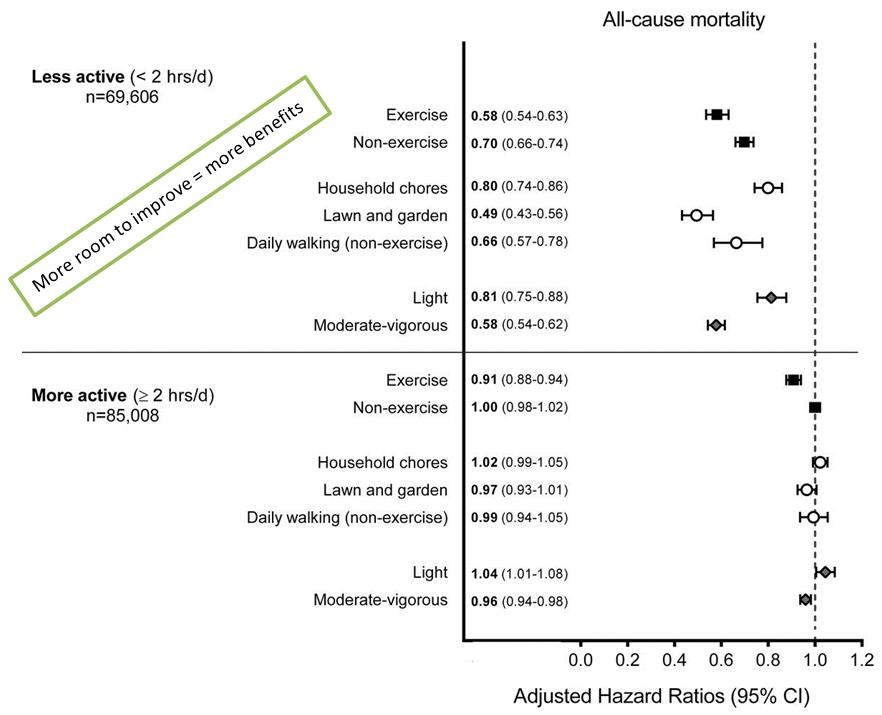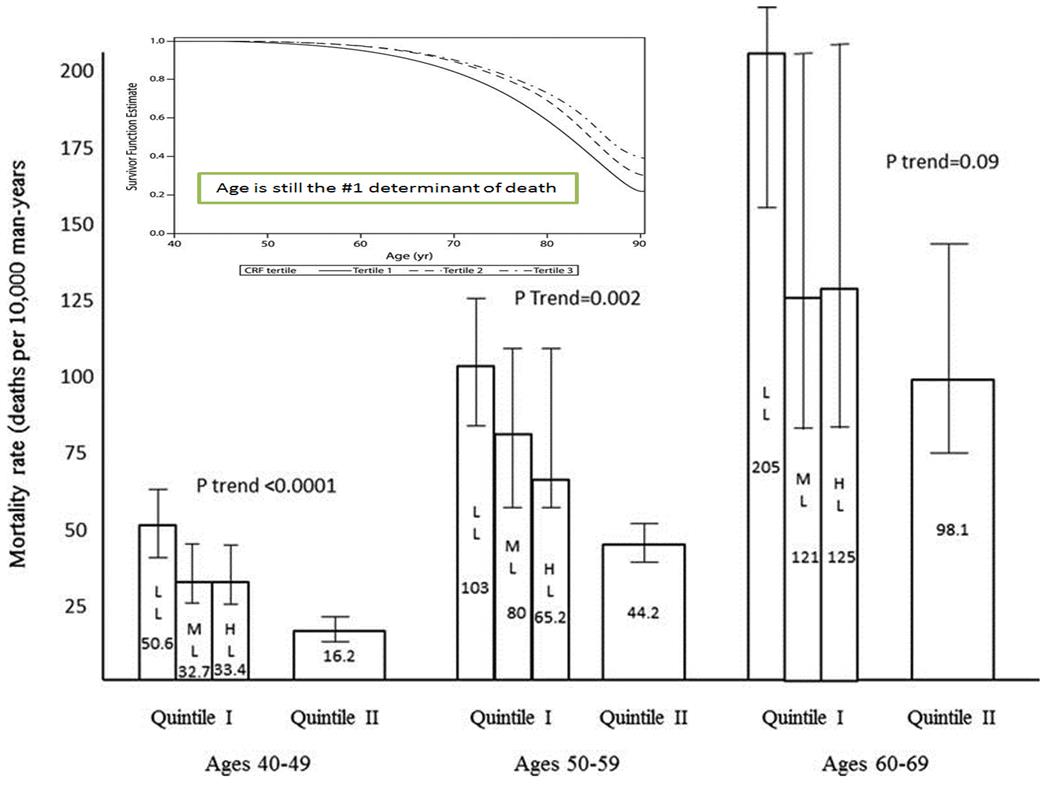



As of 2014, the standard of care for the management of type-2 diabetes (T2D) includes at least 150 minutes per week of moderate-intensity aerobic activity (50–70% of maximum heart rate) in combination with resistance training at least twice per week. These recommendations are based on the well-established benefits of exercise, including improved blood glucose control, reduced cardiovascular risk factors, facilitation of weight loss, and improved well-being. More recently, the Italian Diabetes Exercise Study (IDES) demonstrated that exercise volume is a better predictor of health improvements than exercise intensity, at least when working within the recommended 50-70% maximum heart rate recommendation. This study also found greater reductions in visceral fat and parameters of non-alcoholic fatty liver disease with increasing cardiorespiratory fitness. However, increased volume means more time spent exercising, which can present as a huge barrier to partaking in any exercise. There has been a growing interest in the beneficial effects of high-intensity interval...