
• +1 502-690-2200
  • This email address is being protected from spambots. You need JavaScript enabled to view it.

Keto diet great for blood glucose but not the liver in diabetic mice

Keto diet great for blood glucose but not the liver in diabetic mice


Type-2 diabetes (T2D) is a disease in which prolonged and excessive insulin resistance and compensatory hyperinsulinemia lead to a marked reduction in pancreatic β-cell mass and function. It is well recognized that diet plays a central role in the management of T2D, and particular interest has been given to low-carbohydrate diets given that they may improve glycemic control and blood lipids to a greater extent than low-fat and low-GI diets despite similar effects on weight. A specific type of low-carbohydrate diet that is high in fat and moderate in protein is a ketogenic diet (KD). Although initially used for the treatment of epilepsy, KDs are increasingly being used for weight loss and general health. Indeed, it has been argued that a KD may facilitate weight loss through helping to control hunger and improve fat oxidative metabolism. However, it remains unknown what impact a KD may have in persons with T2D over...

Continue reading
  2424 Hits

Is the RDA for vitamin D sufficient? New analysis suggests you may need 5-fold more.

Is the RDA for vitamin D sufficient? New analysis suggests you may need 5-fold more.


The recommended daily allowances (RDAs) for vitamins and minerals were first established by the Institute of Medicine (IOM) in 1943. There have since been small changes to incorporate emerging scientific knowledge, but on the whole they have remained relatively constant. Perhaps the most notable change came in 2010, when the IOM tripled their recommendation for vitamin D from 200 to 600 IU daily for all people aged 1-70 years. By definition, an RDA for a nutrient is set at an intake level whereby it satisfies the requirement for 97.5% of the population. Statistically, this is done by finding the amount that is adequate for half the population (called the estimated average requirement, or EAR) and having the RDA be 2 standard deviations above it. According the IOM, a satisfactory requirement achieves serum vitamin D (25OHD) levels of at least 20 ng/mL. Both the target 25OHD levels and the RDA have come...

Continue reading
  2106 Hits

Vitamin D deficiency in obesity – the chicken or the egg?

Vitamin D deficiency in obesity – the chicken or the egg?


An estimated one billion people worldwide are vitamin D deficient or insufficient, and analysis of the NHANES 2005-2006 data suggests that 41.6% of Americans are deficient. There are many causes for low serum vitamin D (25OHD) levels, and one may be obesity. Research has documented an inverse association between measures of body fatness and serum vitamin D levels (25OHD) in adults and children. Being associations, we are precluded from drawing firm conclusions. Which comes first, obesity or vitamin D deficiency? Thanks to the work of Pannu et al, we may have an answer. These researchers conducted a meta-regression analysis of 23 randomized controlled trials in which overweight and obese participants underwent a weight loss intervention without vitamin D supplementation. As such, the 2085 participants were part of a vitamin D study but assigned to the control group where vitamin D supplements were not provided. For every 10 kg that the participants...

Continue reading
  3005 Hits

Nuts show us why CICO is flawed but calories still matter

Nuts show us why CICO is flawed but calories still matter

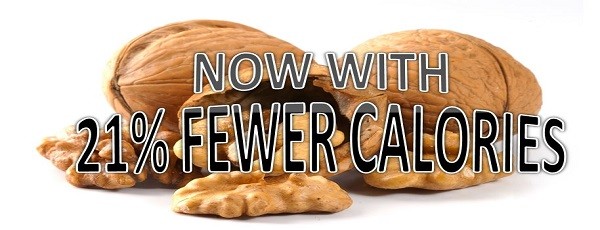
At the dawn of the 20th century, a researcher by the name of Wilbur Olin Atwater developed a system for measuring and estimating the energy content of food. This was later expanded upon by Merrill and Watt, who proposed that different macronutrients contribute different amounts of energy to the caloric total and developed Atwater specific factors that are still in use today. These proposed heats of combustion average 4 kcal/g for protein, 4 kcal/g for carbohydrates, and 9 kcal/g for fat. There is little doubt that these values for food are very accurate estimates. Yet, our bodies are highly complex biological systems, not bomb-calorimeters that combust food until only ash is left. This is clearly evidenced by the work of Baer et al from the USDA Human Nutrition Research Center, who recently published a study examining the metabolizable energy of walnuts when consumed as part of a typical American diet by...

Continue reading
  3469 Hits

The Bigger Threat To Our Population Than Climate Change

The Bigger Threat To Our Population Than Climate Change

Climate change has been part of our evolutionary journey. Past climate change has been outside of our control and drove our search for better living conditions and thus our populating the entire planet. The most devastating of all of these periods was the Ice Age. While most consider the 11,700 year period during the Pleistocene Epoch as the Ice Age, there is evidence that there may have been more than one period spanning some 40,000 combined years where ice and cold engulfed our areas of population that drove many of our ancestors to search for more livable climates. I’m not debating whether or not humans are effecting climate change. For the purpose of this article I’d like you to assume that we are. So what are the purported real life and death impacts of climate change? The Global Humanitarian Forum estimates that we have already experienced 300,000 global deaths a year...

Continue reading
  4172 Hits
SHR Logo

Super Human Radio is the world's longest running broadcast dedicated to health, fitness & anti-aging with an emphasis on exercise, nutrition, and hormone management. This one of the most progressive podcasts for preventative & regenerative techniques designed to increase longevity. More

2908 Brownsboro Rd Ste 103
Louisville, Kentucky 40206

(502)-690-2200

SHR Logo

Super Human Radio is the world's longest running broadcast dedicated to fitness, health, and anti-aging with emphasis on exercise, nutrition, and hormone management. The most progressive source of information for preventative & regenerative techniques... More

2908 Brownsboro Rd Ste 103
Louisville, Kentucky 40206
United States of America

+1 502-690-2200