• +1 502-690-2200
  • This email address is being protected from spambots. You need JavaScript enabled to view it.

Carl Lanore has your back in a way that, traditionally, very few people in this life ever do. On the surface he is the broadcast host of his own Internet program “Super Human Radio” on the SHOUTcast digital network with a solid listenership of over half-a-million homogenous people that is growing every week.

More About Carl Lanore

Super Human Roundup: Vegans don’t live longer, movement saves lives, artificial sweeteners and diabetes, and oatmeal anti-diabetic

Super Human Roundup: Vegans don’t live longer, movement saves lives, artificial sweeteners and diabetes, and oatmeal anti-diabetic


No, you will not live longer if you are a vegetarian If you were wondering how eating meat can impact your risk of 18 common causes of death, then you’re in luck. Appleby et al from the University of Oxford, UK just published an analysis of over 60,000 adults answering this very question. Based on data from food frequency questionnaires, the participants were classified as regular meat eaters (>5x/week), low meat eaters (<5x/week), fish eaters, vegetarians, or vegans. 5 times per week). Data labels indicate a statistically significant difference from regular meat eaters." data-popup="//superhumanradio.com/images/easyblog_images/1717/b2ap3_large_SHRoundup_vegandeath_fig1.jpg" data-style="clear" style="display: block; margin-left: auto; margin-right: auto;"> For all causes of death combined, there was no significant difference in risk between diet groups. However, compared to regular meat eaters, low meat eaters had a significantly reduced risk of dying from pancreatic cancer (-46%) and respiratory diseases (-30%); fish eaters had a significantly reduced risk of dying from...

Continue reading

A little protein goes a long whey in older adults

A little protein goes a long whey in older adults


Sarcopenia has a number of underlying mechanisms, but the primary nutrition-related one is inadequate protein intake. Although it is becoming increasingly recognized that the RDA of 0.8 g/kg is not sufficient, with other authoritative bodies such as the PROT-AGE Study Group giving recommendations of 1.0 to 1.5 g/kg, there is a distinct lack of focus on how that protein is distributed throughout the day. As pointed out by the PROT-AGE study group, older individuals appear to have a higher per-meal protein threshold to promote anabolism (i.e., 25 to 30 g protein per meal containing about 2.5 to 2.8 g leucine). Additionally, although there appears to be no additional benefit of consuming more than 30 g of protein on muscle protein synthesis, evidence suggests that consuming more protein can further reduce protein breakdown so that net protein balance improves. The average protein intake of elderly individuals is about 80 grams per day,...

Continue reading

Going sugar-free makes everything sweeter

Going sugar-free makes everything sweeter


If you are someone who has adopted a low-carbohydrate diet or reduced intake of sugar in its various forms, was there a point where you realized that you no longer care for sweet foods and beverages? It was as if your body became accustomed to eating less sweet foods and over time this led to a change in sweet preference. Thanks to funding by PepsiCo, whether lowering dietary sugar intake affects sweet taste intensity, pleasantness, and preference was recently investigated in a small group of healthy, overweight, middle-aged men and women who all habitually consumed at least 2 sugar-sweetened sodas per day and did not regularly use zero-calorie sweeteners. The participants were followed for 5 months under free-living conditions with complete control over their diets. Rather than strictly controlling food intake, one of the study authors met individually with each participant to discuss individualized dietary guidelines. The first month served as...

Continue reading

Super Human Roundup: Longevity diet, MUFA beats SFA, nutty blood lipids, and psyllium for glycemic control

Super Human Roundup: Longevity diet, MUFA beats SFA, nutty blood lipids, and psyllium for glycemic control


Diet and telomeres Telomeres are long stretches of a repeating nucleotide sequence (TTAGGG) located at the end of chromosomes that contribute to genome stability. They are very sensitive to cellular replication and become shorter each and every time DNA is replicated. Whether telomere length is a cause or consequence of biological aging is a matter of dispute, but there is little argument that it is a primary hallmark of aging. It is well-known that lifestyle factors influence longevity and the rate of aging, leading researchers from Spain to review the specific effects of diet on telomere length. Unfortunately, most studies relating nutritional data to telomere length are cross-sectional, thus presenting difficulties towards considering cause-effect relationships. Nonetheless, of the data that is available, nutrients and foods known to be beneficial or harmful for other age-related chronic diseases appear to have similar effects on telomere length. Generally speaking, caloric restriction appears to influence...

Continue reading

The metabolic ward agrees, fasted cardio increases 24-hour fat oxidation

The metabolic ward agrees, fasted cardio increases 24-hour fat oxidation


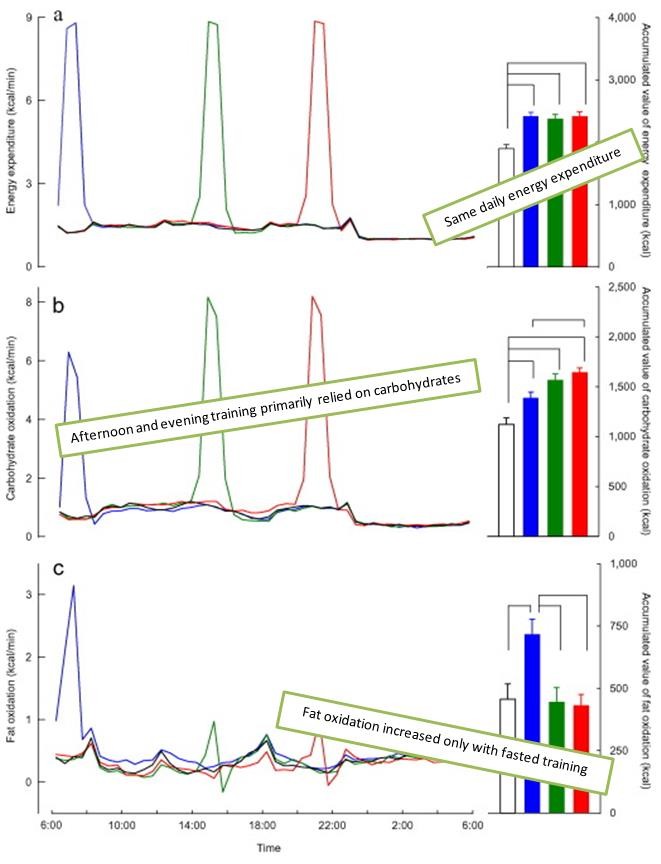
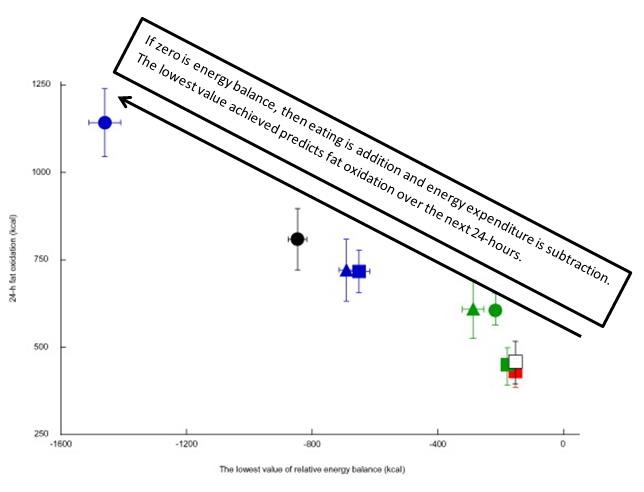
There is wide variation in the time of day that people choose to exercise. The idea of performing fasted cardio training in the morning to accelerate fat burning is based on a key assumption that without food in our system and lower levels of glycogen available, our fat stores are the go-to energy source. This assumption was recently put to the test by researchers from Japan, who recruited 10 young, healthy, recreationally active (untrained but performed moderate-intensity exercise 2-4 days/week) men to perform four experimental sessions locked within a metabolic ward. This is a tremendous strength of the study, as the metabolic ward allowed for complete control and analysis of the participant’s life for the time they spent inside. Over the course of two months with at least 1 week between experimental sessions, the participants stayed within the metabolic ward for three days to allow for standardization of the experimental protocols....

Continue reading

The Bigger Threat To Our Population Than Climate Change

The Bigger Threat To Our Population Than Climate Change

Climate change has been part of our evolutionary journey. Past climate change has been outside of our control and drove our search for better living conditions and thus our populating the entire planet. The most devastating of all of these periods was the Ice Age. While most consider the 11,700 year period during the Pleistocene Epoch as the Ice Age, there is evidence that there may have been more than one period spanning some 40,000 combined years where ice and cold engulfed our areas of population that drove many of our ancestors to search for more livable climates. I’m not debating whether or not humans are effecting climate change. For the purpose of this article I’d like you to assume that we are. So what are the purported real life and death impacts of climate change? The Global Humanitarian Forum estimates that we have already experienced 300,000 global deaths a year...

Continue reading

Are all trans-fats created equal? No, some naturally occurring ones are worse than their industrial counterparts.

Are all trans-fats created equal? No, some naturally occurring ones are worse than their industrial counterparts.


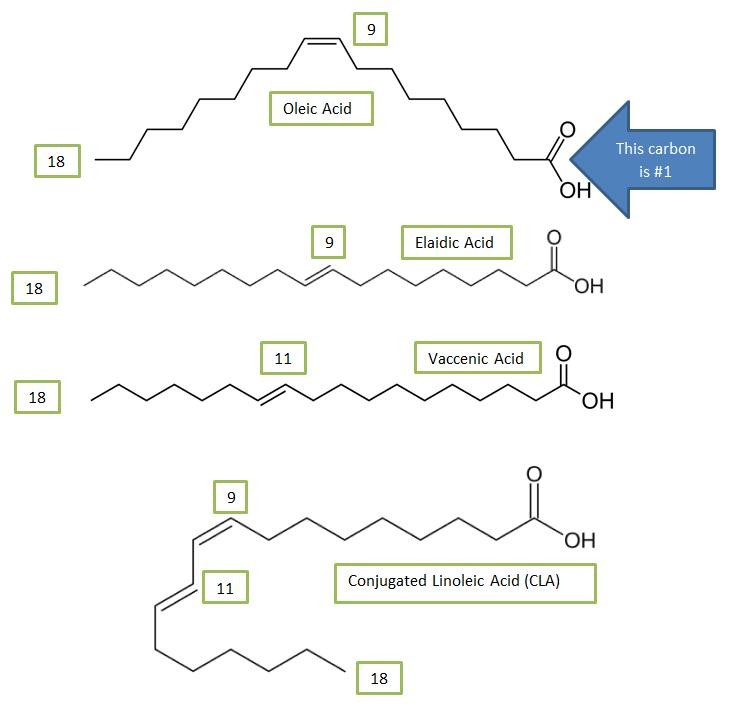
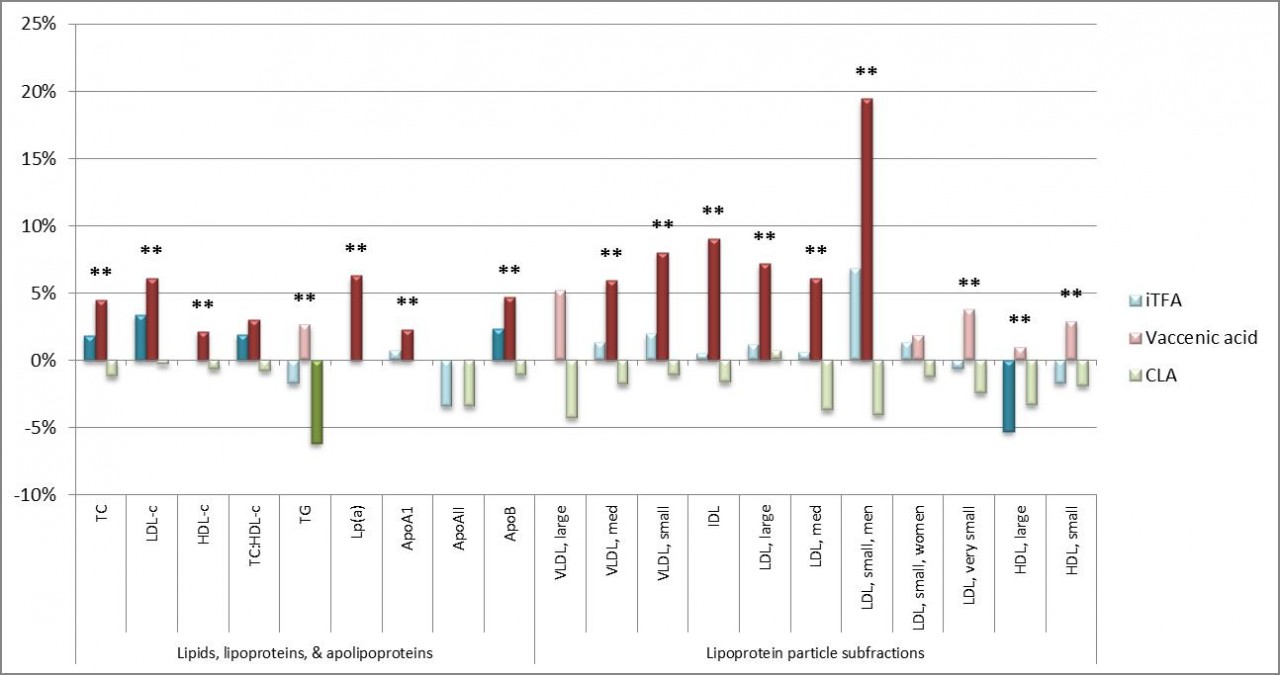
Just over a century ago, humans discovered the ability of hydrogenation and used it to create solid fats from liquid vegetable oils. These partially hydrogenated fats quickly became industrialized thanks to their reduced cost in comparison with saturated fats, increased stability compared to polyunsaturated fats, and ability to prolong the shelf life of various foods. However, as much as 50% of the partially hydrogenated fat may be constituted by industrial trans- fatty acids (iTFAs) that are created during the hydrogenation process. When we discuss trans- fatty acids, the above is often what comes to mind. However, trans-fatty acids have been a part of the human diet for hundreds of thousands, if not millions, of years due to the consumption of meat, fat, and milk from ruminant animals (cattle, goats, sheep, deer, etc.). The microbial biohydrogenation that creates these ruminant trans- fatty acids (rTFAs) is a completely natural process that results in...

Continue reading

Super Human Roundup: Oatmeal eaten by healthier Americans, you need animals for B12, and breast milk related to smarter and leaner infants

Super Human Roundup: Oatmeal eaten by healthier Americans, you need animals for B12, and breast milk related to smarter and leaner infants


Oatmeal eaters weigh less and eat healthier There is plenty of experimental evidence documenting oatmeal’s health benefits, but little information is available on the contribution that oatmeal makes to the diets of Americans. As such, it was only a matter of time before employees of Quaker Oats used funding from PepsiCo to analyze the dietary data (NHANES) on over 22,000 American adults from 2001-2010. Only 5.9% of the population was oatmeal consumers, defined as those who consumed any amount of prepared oatmeal (oats in other foods like cookies, muffins, etc. were not included). Their average intake was just over 1 cup cooked per day (~250 grams), which provided 4 grams of dietary fiber. When graded on their adherence to the 2010 MyPlate dietary guidelines (HEI-2010), oatmeal consumers scored significantly higher (greater adherence) and had greater intakes of greens and beans, total fruit, whole fruit, whole grains, and seafood, and lower intakes...

Continue reading

Cocoa is safe but not effective for healthy individuals

Cocoa is safe but not effective for healthy individuals


Few companies would have a more vested interest in cocoa research than Mars, Inc. After all, they are ranked as America’s seventh largest private company with over $33 billion in revenue and five billion-dollar global brands – m&m’s, snickers, dove chocolate, milky way, and twix. It is therefore not surprising that they funded a recent publication in the American Journal of Clinical Nutrition investigating the safety and efficiency of cocoa flavanol (CF) supplementation. Mars didn’t just fund the study though, they had four of the nine coauthors under their employment and they supplied the test materials. There is a huge conflict of interest here and strong potential for publication bias. This is why the results are all the more interesting – because they show that consuming high levels of CFs does not have any effect on healthy, middle-aged adults at a low-risk of cardiovascular disease (CVD; 10-year CVD risk of <2.5%)....

Continue reading

Water or diet soda – which leads to greater weight loss?

Water or diet soda – which leads to greater weight loss?


Imagine you are an otherwise healthy middle-aged, overweight-obese woman willing to make lifestyle changes necessary to lose weight. You’re motivated and have demonstrated that you know how to keep an accurate food log, but you have been weight stable for at least the past six months. You show up at a private weight-loss clinic that uses an integrated problem-solving approach towards weight loss. You meet biweekly with clinic staff to discuss behavior change strategies such as goal setting, self-monitoring, and physical activity, and you receive free resources to help on your journey, such as home booklets for recording dietary intake. The clinic’s goal is to enable weight loss of 7-10% of starting bodyweight over a 24-week period. Your diet program is individualized and designed to introduce a 500-1000 kcal deficit that leads to a weight loss of 1-2 pounds per week. You are also to gradually increase physical activity levels to...

Continue reading
SHR Logo

Super Human Radio is the world's longest running broadcast dedicated to health, fitness & anti-aging with an emphasis on exercise, nutrition, and hormone management. This one of the most progressive podcasts for preventative & regenerative techniques designed to increase longevity. More

2908 Brownsboro Rd Ste 103
Louisville, Kentucky 40206

(502)-690-2200

SHR Logo

Super Human Radio is the world's longest running broadcast dedicated to fitness, health, and anti-aging with emphasis on exercise, nutrition, and hormone management. The most progressive source of information for preventative & regenerative techniques... More

2908 Brownsboro Rd Ste 103
Louisville, Kentucky 40206
United States of America

+1 502-690-2200