• +1 502-690-2200
  • This email address is being protected from spambots. You need JavaScript enabled to view it.

Carl Lanore has your back in a way that, traditionally, very few people in this life ever do. On the surface he is the broadcast host of his own Internet program “Super Human Radio” on the SHOUTcast digital network with a solid listenership of over half-a-million homogenous people that is growing every week.

More About Carl Lanore

Binge on fructose? Exercise afterwards nearly doubles oxidation

Binge on fructose? Exercise afterwards nearly doubles oxidation


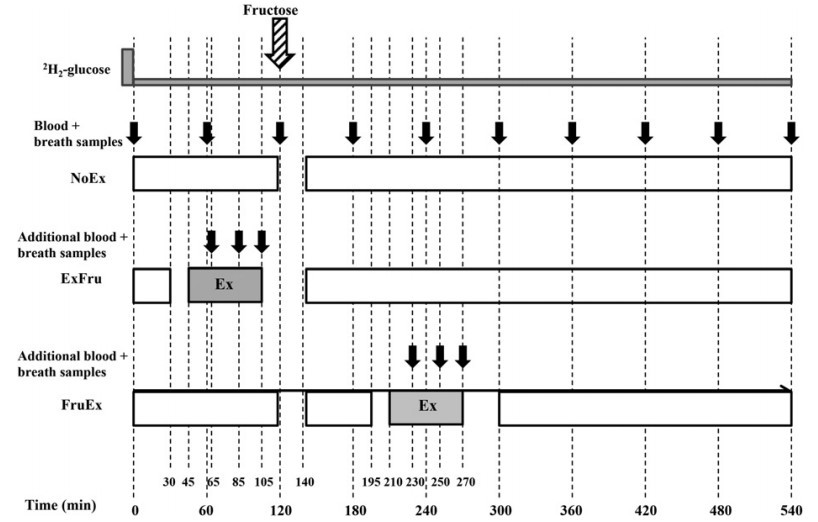
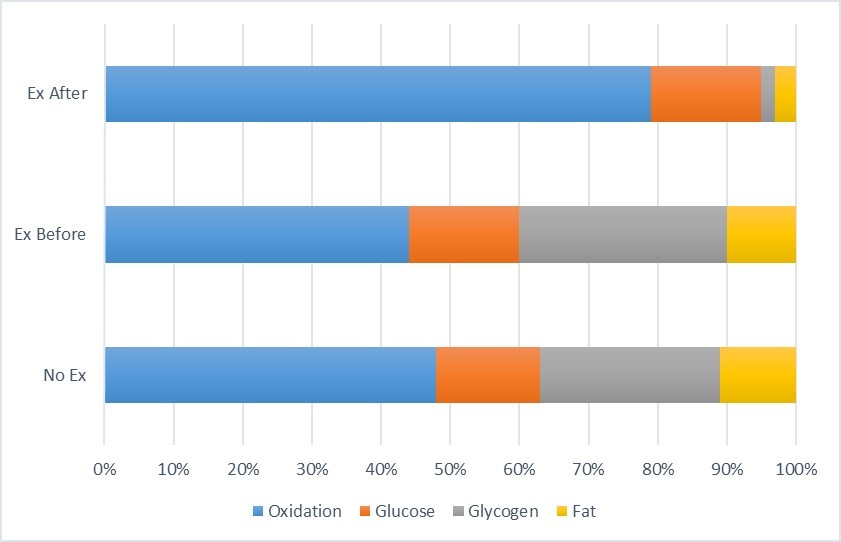
Several studies have reported that physical activity prevents fructose-induced metabolic abnormalities. Young men who supplemented their regular diets with 40 ounces of soda per day, providing 75 g of fructose, showed increased triglycerides and signs of low-grade inflammation only when inactive (walking ~4200 steps per day). However, simply increasing the number of steps to about 13,000 per day protected against these changes. Another study demonstrated that performing two 30-minute cycling sessions before lunch and dinner in conjunction with a weight-maintenance diet providing 30% of kcal as fructose completely normalized blood lipids relative to consuming the same diet when sedentary. Most recently, Egli et al assessed how a single exercise session altered the metabolic fate of a pure fructose load in young healthy males with the use of isotopically-labeled fructose. The participants were studied for three 5-day periods in which they received a controlled, high-fructose (30% kcal as a beverage), weight-maintenance diet...

Continue reading

Yet another study on a truly high-protein diet (3.3 g/kg/day) – it’s safe in resistance-training males and you may lose a little fat

Yet another study on a truly high-protein diet (3.3 g/kg/day) – it’s safe in resistance-training males and you may lose a little fat


Dr. Jose Antonio has put out some truly novel research looking at high-protein diets. I’m not talking about the arbitrary 30% of calories that can vary widely depending on energy intake. Rather, I’m talking about grams per unit of bodyweight – as it should be. Previous research by Dr. Antonio had shown that taking a group of healthy resistance-training men and women and having them increase their protein intake from 2.3 to 4.4 g/kg (1 to 2 g/lb) had no effect on body composition. This study was followed up with another study that showed that consuming 3.4 g/kg (1.5 g/lb) had a more favorable effect on body composition than consuming 2.3 g/kg (1 g/lb) when combined with a structured resistance training program. This latter study also showed no signs of harmful effects from a basic metabolic panel. Now, Antonio et al have published the third study digging into this rabbit hole....

Continue reading

Super Human Roundup: appetite may be inherited, older people eat less, and a high-GI breakfast does not make you eat more later

Super Human Roundup: appetite may be inherited, older people eat less, and a high-GI breakfast does not make you eat more later


Brain regulation of satiety in twins The modern food environment is highly stimulatory to brain areas that regulate energy homeostasis and reward processing. Research using MRI imaging has shown that visual food cues evoke differential brain responses in obese than in lean individuals, but the genetic contribution has yet to be evaluated. This led Melhorn et al to use a study design involving 21 healthy monozygotic twin pairs (42 individuals) and integrated MRI to test if inherited factors contribute to individual differences in meal-induced satiety and the brain regulation of appetite. The study protocol is outlines in figure 1 above. The twin pairs included both men and women and were primarily white. There were 10 normal-weight pairs, one overweight pair, and 6 obese pairs. On average, twins consumed 51% of their estimated daily caloric needs at the buffet meal. Total caloric intake and the percentage of estimated daily needs showed consistent...

Continue reading

Traditional Lemon Ricotta Italian Cheesecake Recipe

Traditional Lemon Ricotta Italian Cheesecake Recipe

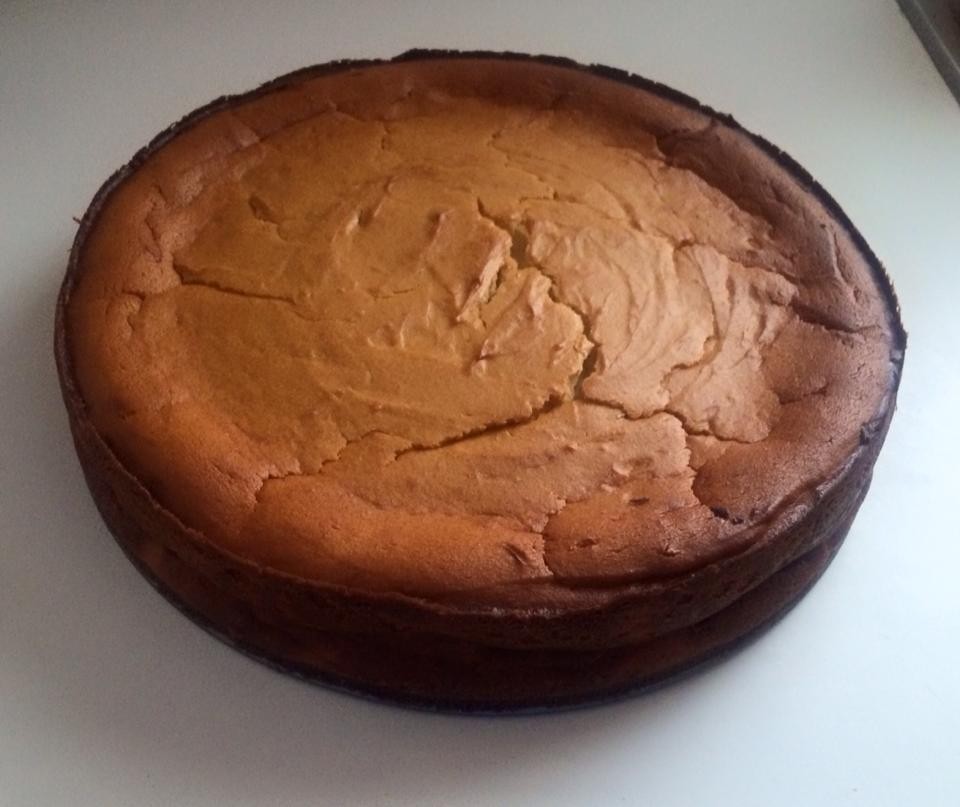
This was a traditional desert around the Christmas holiday when I was growing up. It’s rich and delicious and easy to make. Prep time 30 minutes Cook time 1 to 1 ¾ hours at 350 degrees Best served cold so expect to let cool and then refrigerate What you’ll need: 4 Pounds of whole milk ricotta cheese (I prefer Polly-O ricotta) 6 Eggs 2 Teaspoons of lemon zest 2 Teaspoons of fresh squeezed lemon juice 2 Teaspoons of real vanilla extract ¾ cup of sugar 25 Gluten-free ginger snaps (you can also use other cookies like vanilla or chocolate as a change-up) ¼ a stick of butter Large cheesecake spring pan Put ricotta cheese in a colander and allow it to drain off any watery excess. Usually bets to let it stand for about an hour. Pre-heat oven to 350 degrees (176.667 Celsius) Place ricotta cheese in large mixing bowl Using...

Continue reading

Lose a half pound per week with chitosan

Lose a half pound per week with chitosan

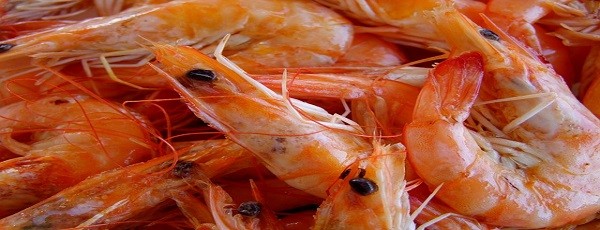
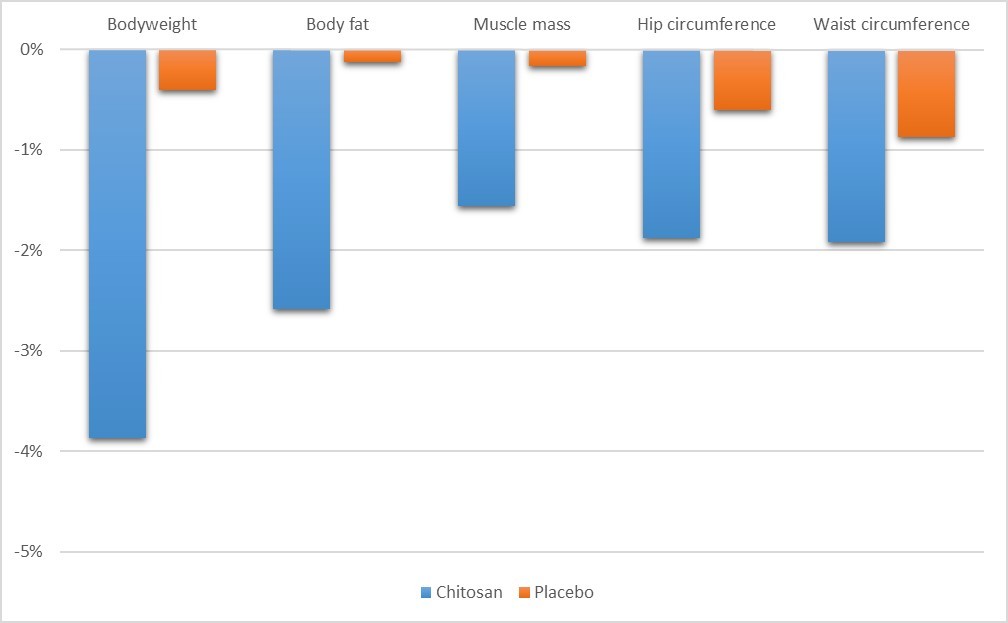
Chitosan is a popular food-based supplement derived from the shells of crustaceans and the cell walls of mushrooms, advertised to lower blood cholesterol levels and aid weight loss through reducing the absorption of dietary fat. Whether these claims hold up in the absence of dietary modifications was recently investigated by Trivedi et al, who recruited 86 middle-aged, overweight and obese adults to consume 2.5 grams of chitosan or placebo per day for 90 days. The randomized, single-blind, placebo-controlled study was simple – have the participants consume one capsule of their supplement in the morning, 2 capsules 15 min before lunch, and 2 capsules 15 min before dinner with a glass of water. Each capsule contained 500 mg of chitosan or cellulose (placebo). The chitosan group showed a significant 2% weight loss (on average) after 45 days, which increased to a 4% weight loss by 90 days. Notably, one-third of the chitosan group had...

Continue reading

The impact of running and lifting on non-exercise physical activity

The impact of running and lifting on non-exercise physical activity


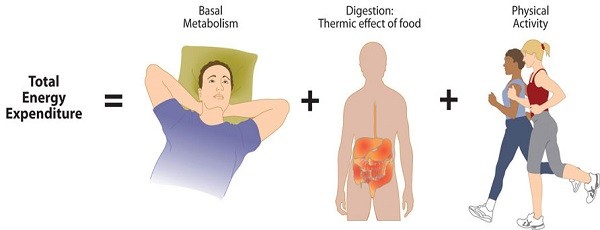
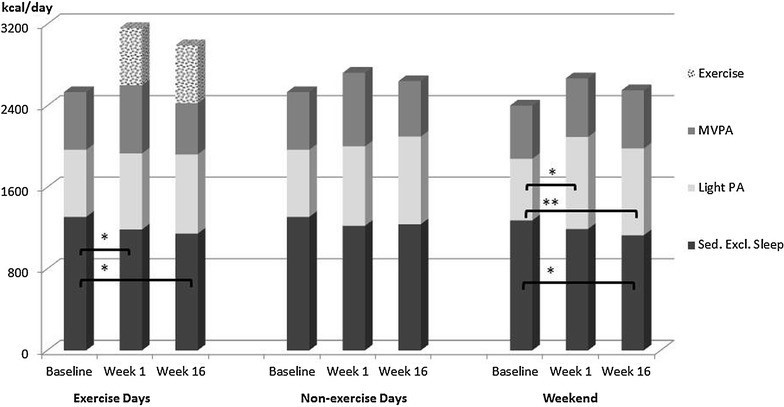
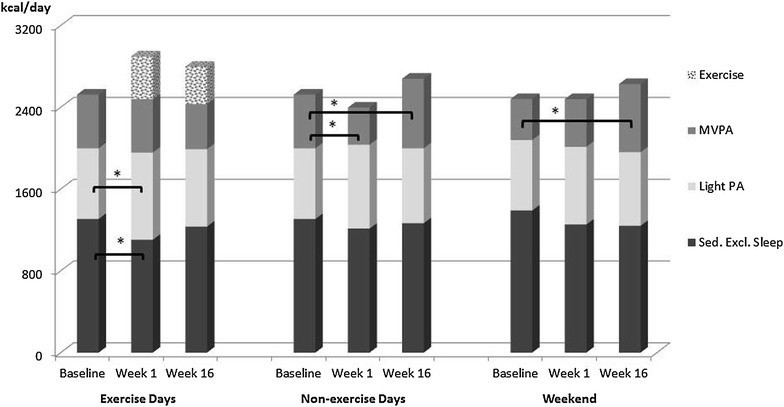
There is a tremendous base of literature investigating the effects exercise and the effects of being active throughout the day on health.  Less well-researched is how these two forms of activity interact. Consider your own training program – how do you feel on the days you train and the days you don’t, and how does this translate into your activity levels outside the gym? Do you observe different effects with different types of exercise? These questions are what made Drenowatz et al’s recent pilot study catch my attention. It was a very small pilot study, so any results are going to be limited in scope. But that is the point of a pilot experiment – to venture into new territory and see if there is anything worth pursuing for subsequent, full-scale research. The researchers utilized a randomized, crossover design to observe the energy expenditure and physical activity levels of 5 White...

Continue reading

Super Human Roundup: More body fat is bad for health but a Mediterranean diet may help keep the belly away

Super Human Roundup: More body fat is bad for health but a Mediterranean diet may help keep the belly away


More fat, especially visceral, is associated with poor health Body fat distribution has been recognized as an important risk factor for cardiometabolic disease, with increased levels of visceral (abdominal) fat appearing to be particularly detrimental. Just take a look at a recent study by Shah et al, who analyzed fat quality and quantity and its relationship to metabolic syndrome in 6,814 community-dwelling, multi-racial individuals enrolled in the Multi-Ethnic Study of Atherosclerosis (MESA). Fat imaging was determined with CT scans, and fat quality corresponded to the radiodensity of the fat tissue. As such, a greater fat quality means the tissue was denser. Since denser tissue means a greater amount of fat per unit of area, it is not surprising that there was a significant inverse correlation between fat quality and fat quantity (i.e. greater quality is associated with lower quantity) for visceral, subcutaneous, and intermuscular fat. After adjustment for age, sex, ethnicity,...

Continue reading

Some diet soda per day keeps the weight regain away

Some diet soda per day keeps the weight regain away


Weight loss is easy – it is keeping the weight off that is difficult. It isn’t impossible by any means, but the fact that only 20% of overweight individuals are successful weight losers speaks to why many people view weight loss as hopeless. An area of controversy regarding both weight loss and weight maintenance is the role of non-nutritive sweeteners (NNS) such as sucralose, aspartame, and stevia. It is therefore worth discussing the latest publication by Peters et al, which reports data from a year-long trial comparing beverages sweetened with NNS to water as part of a behavioral weight management program consisting of 12 weeks of active weight loss and 40 weeks of weight maintenance. The study participants included 303 healthy overweight-obese men and women who drank NNS beverages at least three times per week. For the initial 12-week weight loss period, all participants received a cognitive-behavioral weight loss intervention that...

Continue reading

What Every NFL Player Should Know About Concussion and Traumatic Brain Injury

What Every NFL Player Should Know About Concussion and Traumatic Brain Injury

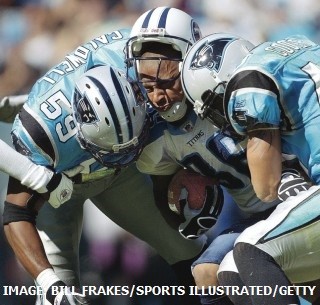
Is there a way to reverse the brain damage done by concussion and TBI within hours after the occurrence? The science on this protein peptide sure looks like there is. So should NFL players be using this? And could this save the NFL from millions of dollars of liability? While we can all pontificate about the plight of young football players in middle school and high school and the willingness of parents to allow their children to suffer a potential concussion and TBI, when it comes to consenting adults the issues are quite different. Pro football players must weigh the risk versus reward differently. When the potential to secure a multimillion dollar contract plays into the scenario consenting adults will always choose a high-risk potential to achieve greater progress and fame in their chosen sport. With the potential for the first blood test that will be able to quickly identify if...

Continue reading

Copyright

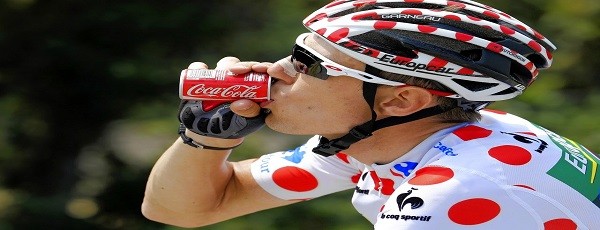
© IMAGE COPYRIGHT: BILL FRAKES/SPORTS ILLUSTRATED/GETTY

Can drinking water boost metabolism? Probably not.

Can drinking water boost metabolism? Probably not.


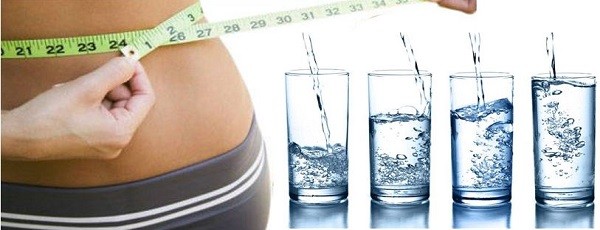
There is a pervasive belief in the dieting world that drinking water can help with fat loss. There are many reasons why this may be true (e.g., through displacing caloric beverages in the diet), but one oft-mentioned and popular idea is that it may aid fat loss through increasing metabolism. We have the work of Boschmann et al to thank for this idea. In his study of 14 young and healthy adults, it was reported that drinking 500 mL of room-temperature water significantly increased resting energy expenditure (REE) by a whopping 30% within an hour.  This led Boschmann et al to conclude that simply increasing water consumption by 1.5 liters per day would increase energy expenditure by ~50 kcal. Boschmann subsequently extended these findings to overweight and obese adults, in whom 500 ml of water was reported to increase REE by 24%. How then can it be that many studies of human...

Continue reading
SHR Logo

Super Human Radio is the world's longest running broadcast dedicated to health, fitness & anti-aging with an emphasis on exercise, nutrition, and hormone management. This one of the most progressive podcasts for preventative & regenerative techniques designed to increase longevity. More

2908 Brownsboro Rd Ste 103
Louisville, Kentucky 40206

(502)-690-2200

SHR Logo

Super Human Radio is the world's longest running broadcast dedicated to fitness, health, and anti-aging with emphasis on exercise, nutrition, and hormone management. The most progressive source of information for preventative & regenerative techniques... More

2908 Brownsboro Rd Ste 103
Louisville, Kentucky 40206
United States of America

+1 502-690-2200