• +1 502-690-2200
  • This email address is being protected from spambots. You need JavaScript enabled to view it.

Super Human Roundup: eggcellent inflammation, antioxidants, and heart attacks

Super Human Roundup: eggcellent inflammation, antioxidants, and heart attacks


Eggs and inflammation Inflammation is a normal and beneficial physiological response to bodily insult. However, failure of the body to appropriately execute and resolve acute inflammatory responses can lead to a detrimental chronic inflammatory state. This has been linked to numerous metabolic diseases such as obesity, cardiovascular disease, and type-2 diabetes. Not surprisingly, inflammation is thus a prime target for nutritional interventions. In a recent review, Catherine Andersen from Fairfield University discussed egg components known to modulate inflammatory pathways. Eggs contain a variety of essential nutrients and bioactive compounds that can impact human health. For instance, one large egg contains about 1.3 grams of highly bioavailable (>90%) phospholipids (mainly phosphatidylcholine) that have been shown through tracer studies to be preferentially incorporated into high-density lipoprotein (HDL) and ultimately result in increased HDL-cholesterol concentrations. Experimental evidence suggests that egg-derived phospholipids have pro- and anti-inflammatory properties via both direct and indirect mechanisms. In a...


Continue reading
  1280 Hits

How much protein should I eat?

How much protein should I eat?
Christian Bale's 1-year transformation for
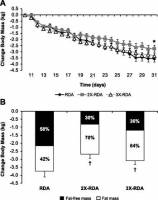
Changes in body composition in dieters (40% deficit) consuming 0.8 (RDA), 1.6 (2X-RDA), and 2.4 (3X-RDA) g/kg BW protein
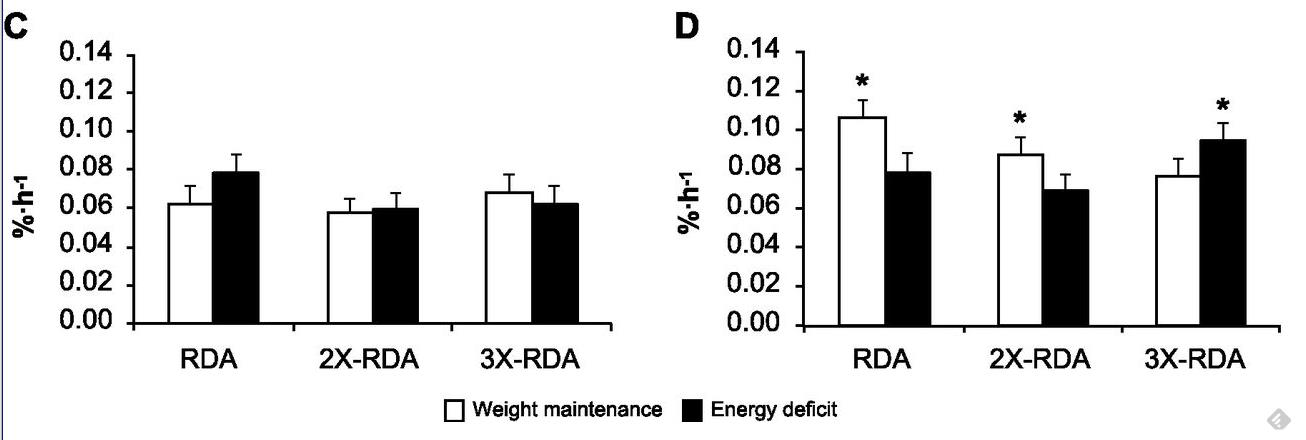
Postabsorptive (fasting) muscle protein synthesis (C) and postprandial muscle protein synthesis (D) responses to varying levels of dietary protein intake.
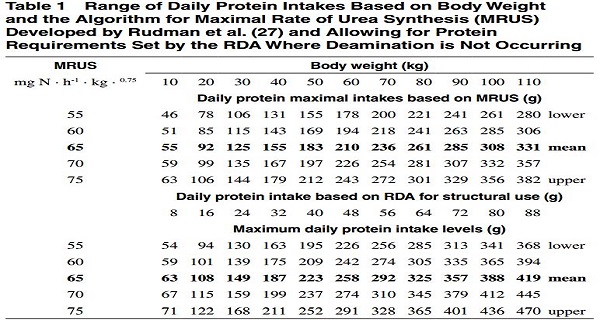
Range for theoretical protein intake at different bodyweights before toxicity would occur based on Rudman's work.

Protein is arguably the most important macronutrient we eat, and all the protein we accrue within the body is in the form of muscle, organs, and countless of other essential compounds. In fact, the typical human cell is roughly one-fifth protein by mass. Unlike carbohydrates and fat, there is no storage form of protein on the body that sits around waiting to be used – every single amino acid plays an important role in our wellbeing. Although it may not necessarily be healthy, the body can survive indefinitely without carbohydrate intake and for a very long time with little to no fat intake. On the other hand, insufficient protein intake leads to rapid death. Generally speaking, all tissues in the body are under a state of constant remodeling via protein breakdown and synthesis. These processes are distinct physiological pathways (not simply the reverse of one-another) and their relationship can be referred...

Continue reading
  8388 Hits

Low-carb diet beats low-fat for heart health, but can we trust the results?

Low-carb diet beats low-fat for heart health, but can we trust the results?


Last year, a study was published that investigated the efficiency of a low-carbohydrate diet to reduce body weight and common cardiovascular disease (CVD) risk factors in free-living obese adults. A total of 148 adults (22-75 years; 88% women; 51% African American) underwent a 12-month randomized, parallel-group intervention following either a low-carbohydrate (LC) or a low-fat (LF) diet with no specific calorie or energy goal. Participants assigned to the low-carbohydrate diet were instructed to maintain an intake of digestible carbohydrate (total carbohydrate minus total fiber) of less than 40 g/d. Those assigned to the low-fat diet were instructed to maintain less than 30% of their daily energy intake from total fat (with <7% from saturated fat) and 55% from carbohydrate, based on National Cholesterol Education Program guidelines. Each participant met individually with a dietitian weekly for the first month, followed by small group counseling sessions every other week for the next 5...

Continue reading
  3611 Hits

High-oleic peanuts make a great snack

High-oleic peanuts make a great snack


A while back I wrote an article about peanuts addressing if there was any legitimacy to the canonical paleo-diet view that they are harmful and should not be eaten. Long-story short, no, and I discussed numerous studies documenting the ability of peanut consumption to help regulate blood sugar, blood lipids, and satiety. Additionally, I talked about a relatively new type of peanut created through 30 years of selective breeding that is much higher in monounsaturated fatty acids (MUFAs) and lower in polyunsaturated fatty acids (PUFAs) than the conventional peanut. As it turns out, this “high-oleic” (HO) variety is the primary peanut grown in Australia, and Barbour et al recently published a study investigating what happens when you take a bunch of otherwise healthy overweight-obese adults who don’t regularly consume nuts and have them start eating 2-3 ounces of HO peanuts per day without any other dietary advice. Ultimately, 61 participants completed...

Continue reading
  2947 Hits

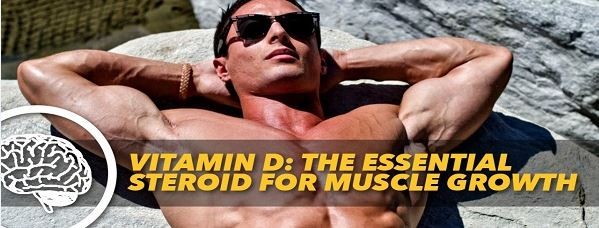
New study confirms vitamin D is necessary for proper muscle growth and function

New study confirms vitamin D is necessary for proper muscle growth and function


The era of vitamin D as solely a regulator of bone and mineral homeostasis is long-gone. Recent evidence suggests vitamin D to be implicated in numerous chronic diseases and adverse health conditions, including those related to skeletal muscle. In fact, muscle weakness and pain are prominent features of vitamin D deficiency that respond to replacement therapy. It has been shown that vitamin D receptors (VDRs) are present in human skeletal muscle, but the precise mechanisms through which vitamin D exerts its effects in muscle are unclear. It has been previously demonstrated that culturing muscle cells with vitamin D leads to marked cell growth associated with an inhibition of myostatin (the gate-keeper for growth, if you will). More recently, a pilot study in older women with vitamin D deficiency has shown repletion to increase intramuscular VDR expression and muscle fiber size. However, in vivo data concerning the direct effects of the VDR...

Continue reading
  2552 Hits
SHR Logo

Super Human Radio is the world's longest running broadcast dedicated to health, fitness & anti-aging with an emphasis on exercise, nutrition, and hormone management. This one of the most progressive podcasts for preventative & regenerative techniques designed to increase longevity. More

2908 Brownsboro Rd Ste 103
Louisville, Kentucky 40206

(502)-690-2200

SHR Logo

Super Human Radio is the world's longest running broadcast dedicated to fitness, health, and anti-aging with emphasis on exercise, nutrition, and hormone management. The most progressive source of information for preventative & regenerative techniques... More

2908 Brownsboro Rd Ste 103
Louisville, Kentucky 40206
United States of America

+1 502-690-2200