
• +1 502-690-2200
  • This email address is being protected from spambots. You need JavaScript enabled to view it.

Super Human Roundup: Vegetarianism more common in eating disorders, FDA’s cheese regulation inconsistent, and intermittent fasting not well researched

Super Human Roundup: Vegetarianism more common in eating disorders, FDA’s cheese regulation inconsistent, and intermittent fasting not well researched

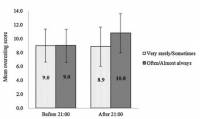
Vegetarian? You might have an eating disorder. At least, that’s the takeaway from the latest work of Kelly Zuromski et al. published in Eating Behaviors that examined the prevalence of vegetarianism within three female samples with varying severity of eating disorder symptoms (i.e., nonclinical, subclinical, clinical). All participants came from locations in the southeastern U.S., and were included in the nonclinical group if they denied any lifetime eating pathology and were included in the subclinical group if they endorsed any eating pathology (i.e., fasting, binge eating, self-induced vomiting, laxative use, and excessive exercise) in the past month. The clinical group was women recruited from an eating disorder treatment center. Generally, the nonclinical group ate a wider variety of foods compared to the other groups. The prevalence of self-identified, lifetime vegetarianism was lowest in the nonclinical group (6.80%), and highest in the clinical group (34.80%), with the subclinical group falling in between (17.60%). Additionally,...

Continue reading
  1812 Hits

Super Human Roundup: Metabolically healthy obesity | Dairy for weight loss | Stressful eating | Not being fat for healthy aging

Super Human Roundup: Metabolically healthy obesity | Dairy for weight loss | Stressful eating | Not being fat for healthy aging

Metabolically healthy obese – key protective factors Obesity is commonly accompanied by numerous comorbidities (metabolic syndrome) that involve insulin resistance (IR), type-2 diabetes (T2D), hypertension, dyslipidemia, cardiovascular diseases, and a systemic inflammatory state. However, not all obese adults have these conditions and there are in fact obese individuals who have less visceral fat and adverse health complications than would be expected, a condition that has been termed metabolically healthy obesity (MHO). Why are these people different? That is the central question answered by Goncalves et al, who reviewed the protective metabolic, genetic, and etiological factors of MHO that represent between 10% and 45% of the adult obese population. It turns out that everything is traceable to one seminal factor – lower visceral fat, which is what ultimately causes IR and the detrimental inflammatory and hormonal profile that contributes to increased risk for cardiovascular disease. Whether some individuals carry genetic predisposition to MHO,...

Continue reading
  2038 Hits

Why you may reconsider buttering your potato

Why you may reconsider buttering your potato


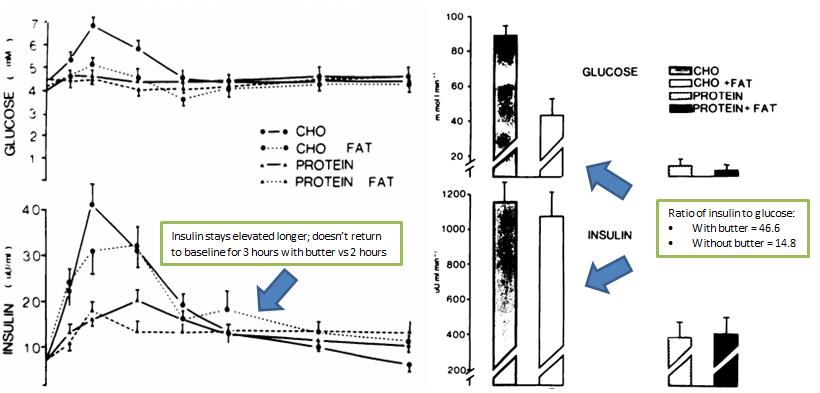
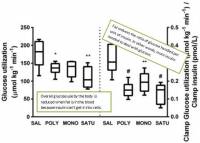
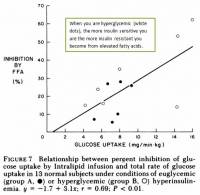
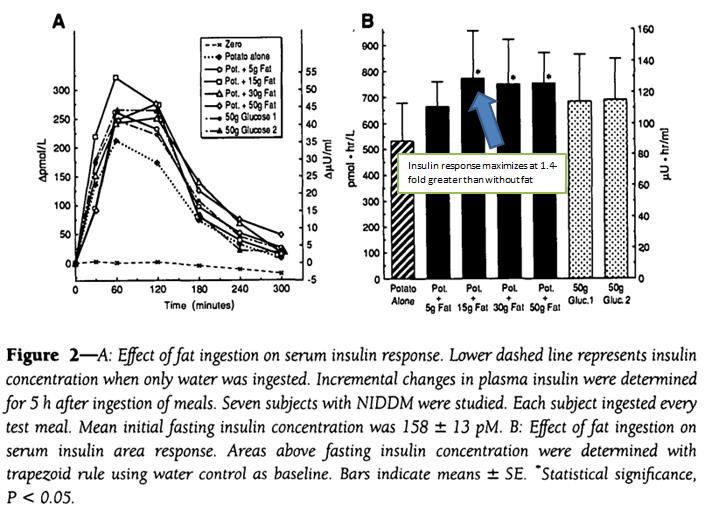
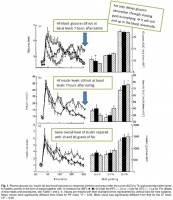
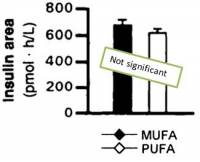
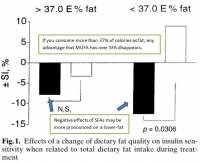
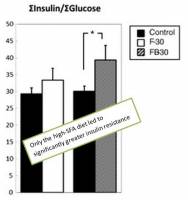
Adding fats to carbohydrate-containing meals is a common recommendation in dietetics to make meals “healthier” by reducing the glycemic response to the meal. The primary mechanism through which fat does this is by slowing the rate of gastric emptying, which leads to a slower appearance of glucose into the blood. Given that postprandial glycemia is an important risk factor for many diabetic complications, it makes complete sense to want to minimize post-meal blood glucose excursions. However, to focus solely on the blood glucose response of a meal misses the forest for the trees. There is a considerable amount of evidence to suggest that consuming starchy carbohydrates in combination with excessive dietary fat, especially saturated fat, causes an acute state of insulin resistance that may last for hours after the meal. This has been known since at least 1983, when Collier and O’Dea published research showing that adding butter to a potato...

Continue reading
  23412 Hits

Cutting calories and losing weight improve glucose metabolism in type-2 diabetes

Cutting calories and losing weight improve glucose metabolism in type-2 diabetes
Sample Menu
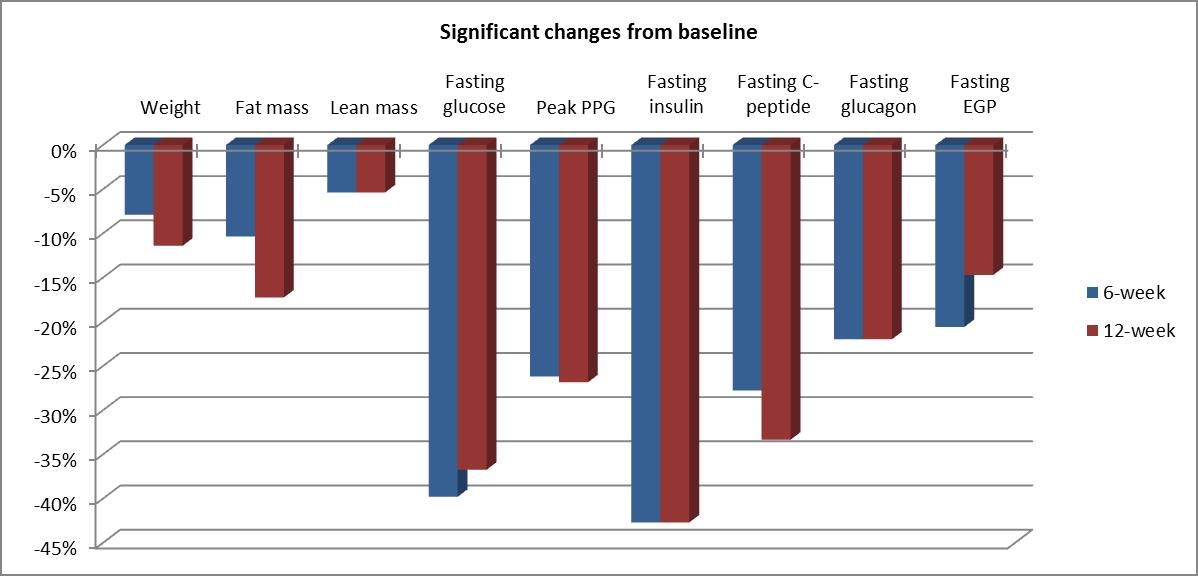
Significant improvements in glucose metabolism at 6 and 12 weeks

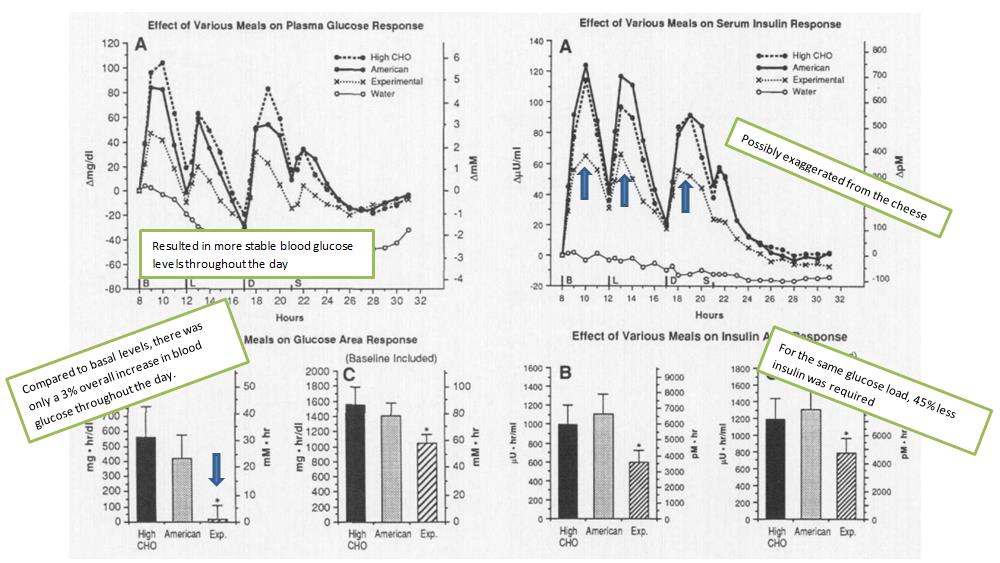
Individuals suffering from type-2 diabetes (T2D) can have a grocery list of health problems secondary to their condition, but the core issue is a dysregulation of glucose metabolism. The cause is multi-faceted and includes both genetic and environmental factors, but one consistently reappearing player is an excess amount of fat tissue – especially visceral fat. Therefore, it stands to reason that fat loss in individuals with T2D would lead to improvements in glucose metabolism. To test this hypothesis, researchers from the Mayo Clinic College of Medicine recruited 9 morbidly obese individuals with T2D (7 female) to follow a very low-calorie diet for 12-weeks. The diet consisted of 740 kcal daily for the first 4 weeks and 875 kcal daily thereafter, with meals derived from the Nutritional Guidelines for Bariatric Surgery. The participants met with a dietitian weekly and a behavioral psychologist every other week to facilitate compliance. Body composition measurements (DXA...

Continue reading
  3344 Hits

Super Human Roundup: Smoking and energy expenditure; national protein sources, and why we yo-yo diet

Super Human Roundup: Smoking and energy expenditure; national protein sources, and why we yo-yo diet

Smoking is associated with increased resting energy expenditure Cigarette smoking is known to be associated with lower bodyweight and weight gain is a common feature of smoking cessation. It is believed that nicotine acts by various mechanisms on the body’s energy balance and affects both the central nervous system and peripheral tissues by regulating the release of a wide range of neurotransmitters and hormones. Now, Blauw et al show in the first large-scale cohort of its kind that smokers have a 4.7% higher resting energy expenditure per kilogram of fat-free mass than never smokers. This result came from analysis of 1189 men and women from the Netherlands Epidemiology of Obesity (NEO) study. Where do we get our protein? According to Pasiakos et al from the US Army Research Institute of Environmental Medicine, who analyzed the NHANES 2007-2010 data on 10,977 adults, the average protein intake from animal, dairy, and plants was...

Continue reading
  1697 Hits
SHR Logo

Super Human Radio is the world's longest running broadcast dedicated to health, fitness & anti-aging with an emphasis on exercise, nutrition, and hormone management. This one of the most progressive podcasts for preventative & regenerative techniques designed to increase longevity. More

2908 Brownsboro Rd Ste 103
Louisville, Kentucky 40206

(502)-690-2200

SHR Logo

Super Human Radio is the world's longest running broadcast dedicated to fitness, health, and anti-aging with emphasis on exercise, nutrition, and hormone management. The most progressive source of information for preventative & regenerative techniques... More

2908 Brownsboro Rd Ste 103
Louisville, Kentucky 40206
United States of America

+1 502-690-2200