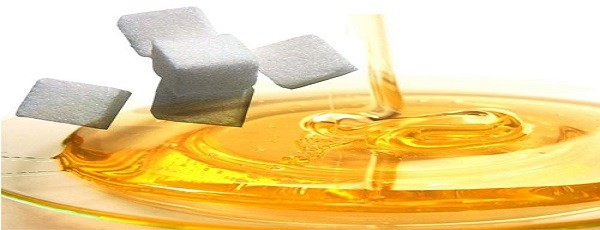

Reducing added sugar intake has become a ubiquitous recommendation by private and public health agencies across the world, and with good reason. Dose-response research has shown that metabolic derangements begin with at least 10% of energy intake coming from added sugars and escalate as the dose increases. Although this research was conducted with high-fructose corn syrup (HFCS), the authors speculate that similar results would be observed if sucrose (table sugar) were used as well because of their similar chemical structure (half glucose and half fructose). Of course, media coverage of the link between sugar and obesity has resulted in a predominant public view that HFCS is particularly detrimental. Whereas sucrose and HFCS are often viewed as detrimental to health, honey has been traditionally viewed as a “natural” sweetener believed to have health benefits other sugars don’t. Sure enough, honey does indeed contain numerous bioactive compounds that may benefit health if consumed...