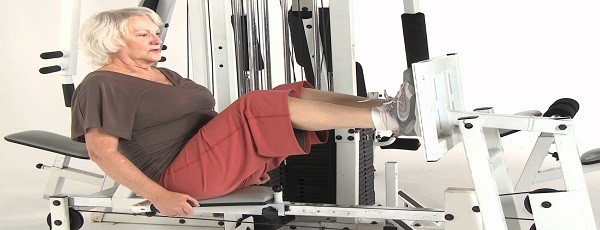
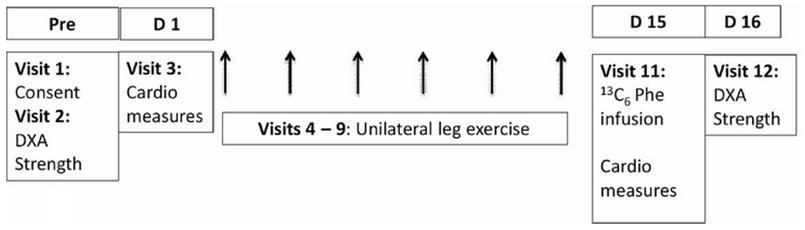
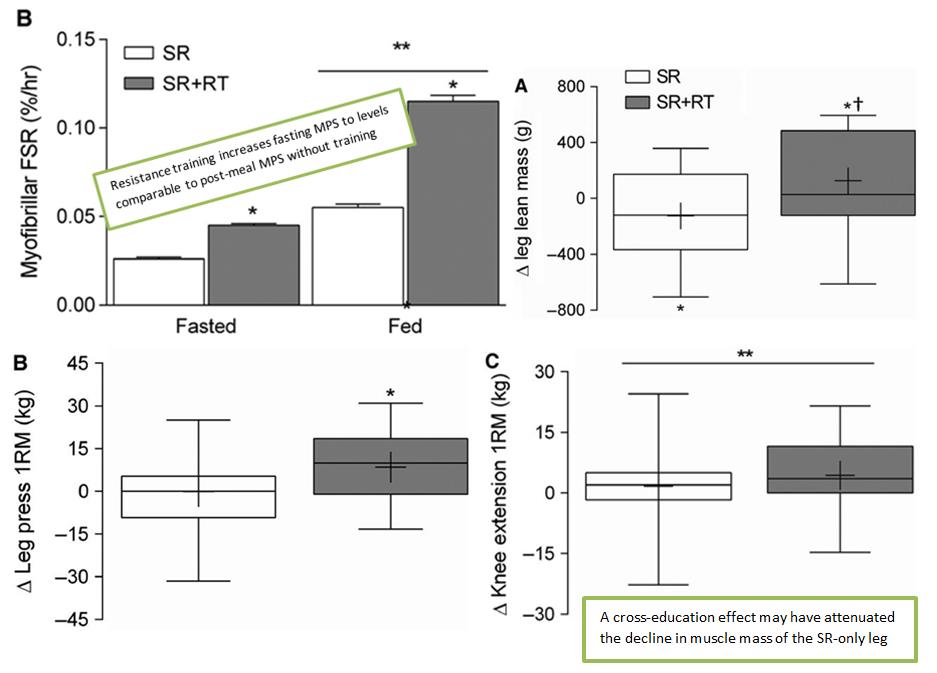
Generally speaking, with age comes a natural loss of muscle mass and function that is owed in no small part to a reduction in physical activity. This may be because protein metabolism is greatly influenced by the contractile activity of skeletal muscle, and it has been shown that muscular disuse results in a reduction in muscle protein synthesis (MPS) both after a meal and when in the fasting state. Even modest reductions in muscular loading through step‐reduction (SR; <1500 steps/day) for 2-weeks has been shown to reduce MPS in older adults, further supporting the notion that sedentariness plays a large role in the anabolic resistance of aging. Somewhat obviously, resistance training (RT) is the foundation of any intervention that seeks to counteract muscle and strength loss, and there is no shortage of evidence showing older individuals to benefit. However, many interventions use high-load programs that may not always be feasible for...