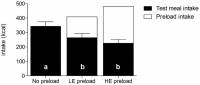

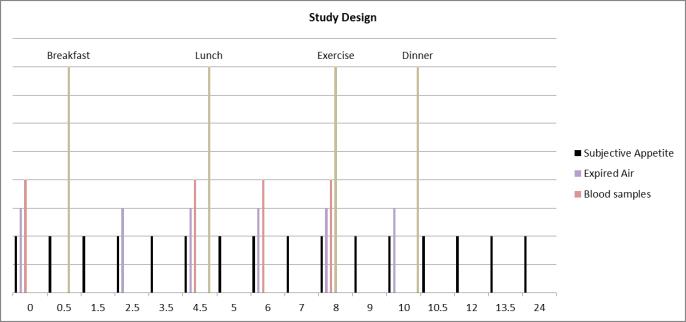
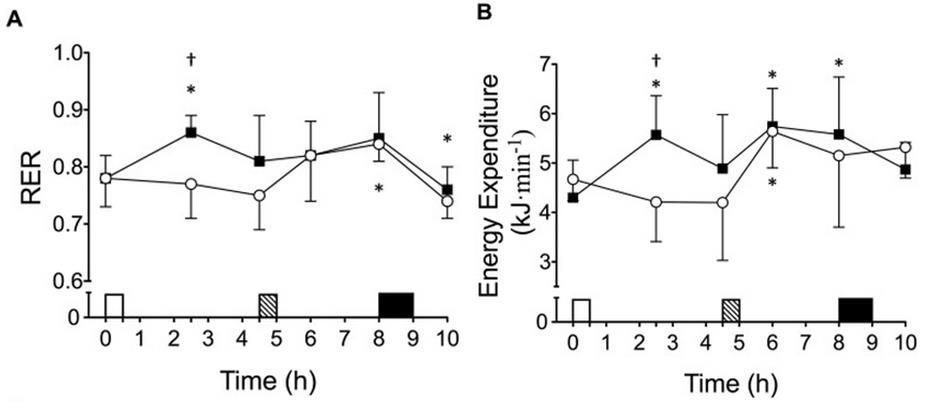
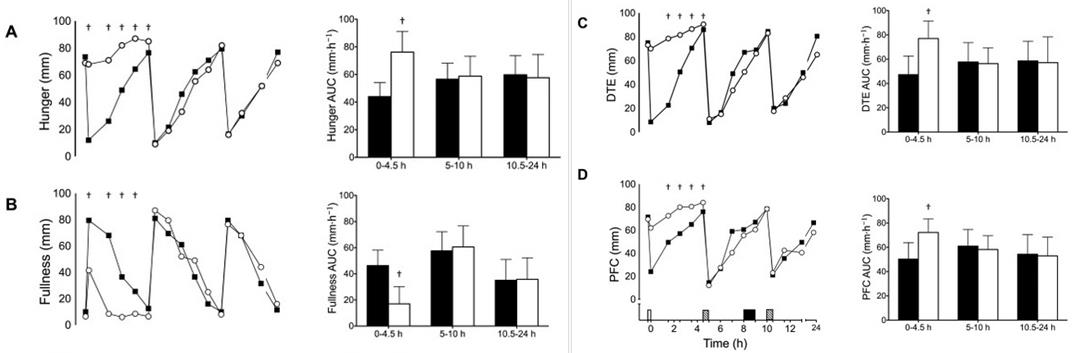
In a previous article I discussed a study showing that skipping breakfast does indeed lead to greater food and calorie intake during lunch, but not nearly enough to compensate for the calories not consumed at breakfast. The researchers were able to show this outcome because they allowed for ad libitum food intake at lunch, meaning that the study participants could eat as much food as they wanted. This makes perfect sense considering the entire point of these studies is to compare how breakfast consumption or omission affects subsequent food intake, but it leaves an incomplete picture of the metabolic and hormonal effects breakfast may or may not have. What if eating as much food as you wanted at lunch wasn’t an option? What if you exercised later in the day? Many individuals who decide to skip breakfast do so in order to aid weight loss, and many may choose to monitor...