
• +1 502-690-2200
  • This email address is being protected from spambots. You need JavaScript enabled to view it.

Reverse your Type 2 Diabetes, Now.

lrger

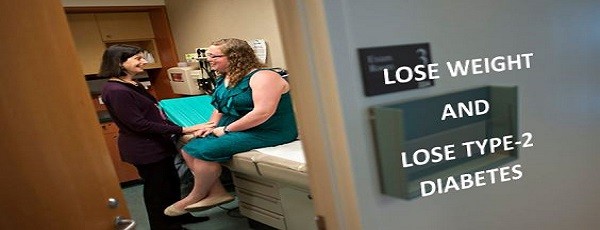
Introduction & Insights from a Discussion with Dr. Frank Tortorice, MD - show #2675 There is said to be one hundred million people in America that don't know they are pre-diabetic. 84% of them have no idea that they're on the road to becoming diabetic in five to10 years. That’s a third of the population. So to say this is an epidemic is probably an understatement. Many people with type two diabetes could reverse it if they understood how, especially early on. Before a formal diagnosis of diabetes type 2, the odds are very good. If they’ve had type 2 diabetes for less than a few years, (depending on whether or not they have co-morbidities) the odds are reasonably good. If they've had it for a number of years, it may be a little bit more challenging, but not unreasonable. We are talking about major lifestyle changes and using medicines in a supportive...


Continue reading
  3346 Hits

Diet and weight loss are more important than exercise in the overweight-obese

Diet and weight loss are more important than exercise in the overweight-obese
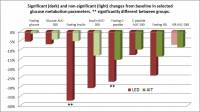
Changes from baseline in parameters of glucose metabolism
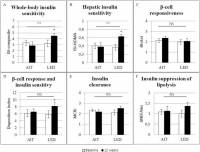
insulin sensitivity

There are many benefits to be gained from exercise and weight loss in the overweight-obese population, and both are commonly prescribed to achieve cardiometabolic health improvements. However, exercise for weight loss is an inefficient and unsustainable route for many individuals. Instead, exercise should be done for health while weight loss is achieved through dietary modifications. But which has a greater impact? The answer comes from the University of Copenhagen, Denmark who recently published additional data from the CUT-IT study where 64 overweight-obese out-patients (age 45-75 years) with coronary artery disease (CAD) were randomized to undergo 12 weeks of aerobic interval training (AIT) three times weekly or consume a low-energy diet (LED) for 8-10 weeks followed by 2-4 weeks of transition to a high-protein/low-glycemic index diet. The AIT protocol involved a 38 minute session beginning with a 10-minute moderate-intensity warm-up followed by high intensity interval training (85-90% of VO2peak, Borg scale 17–18) on...

Continue reading
  4645 Hits

Why you may reconsider buttering your potato

Why you may reconsider buttering your potato


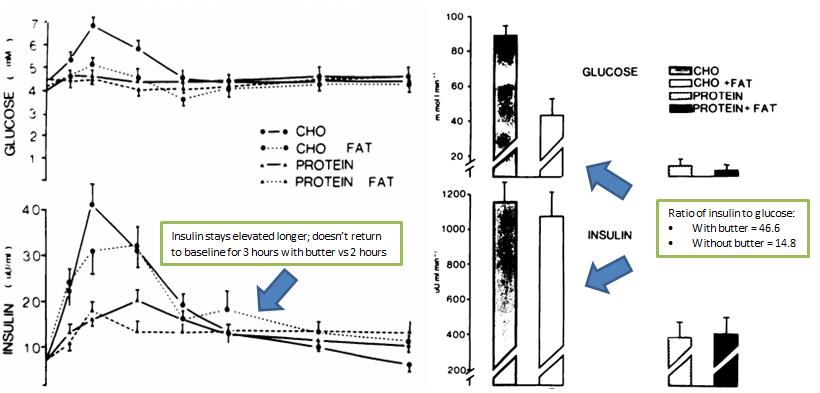
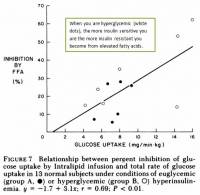
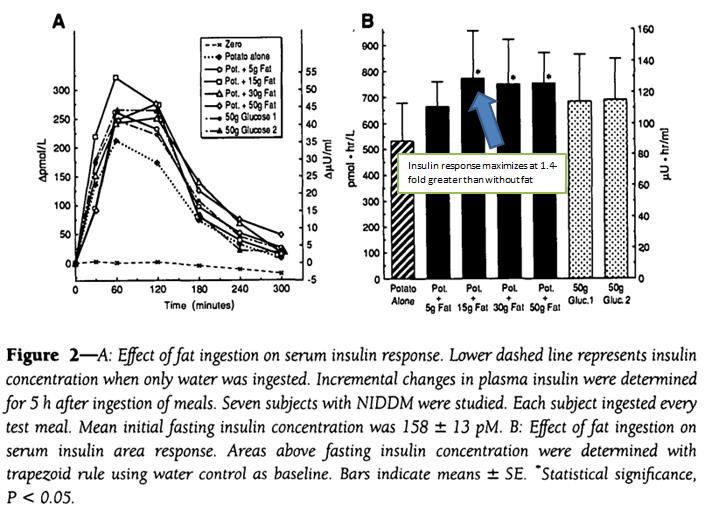
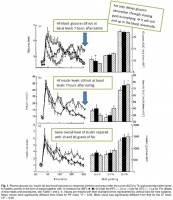
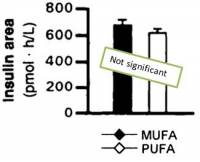
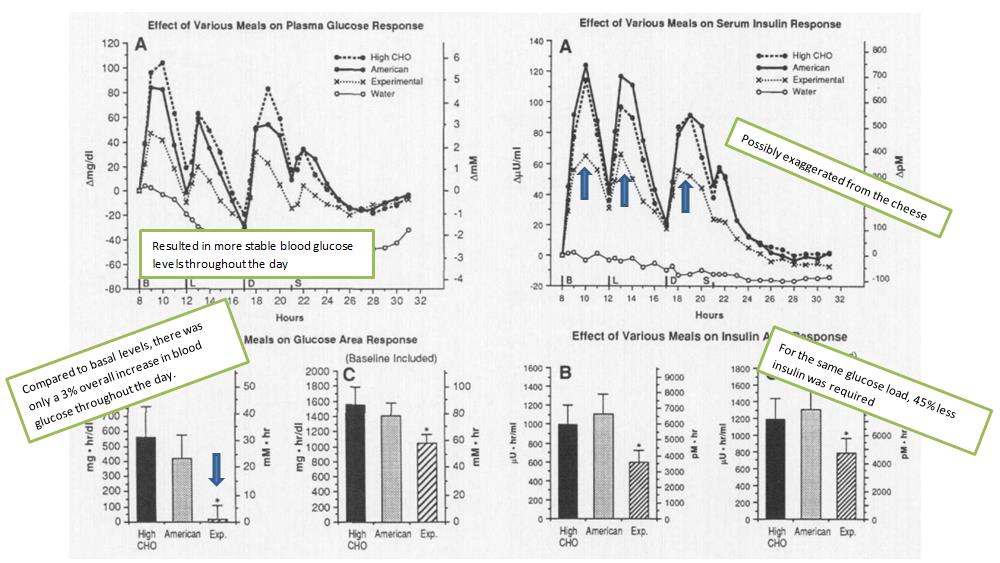
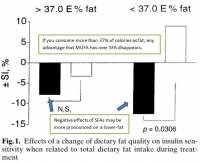
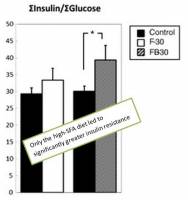
Adding fats to carbohydrate-containing meals is a common recommendation in dietetics to make meals “healthier” by reducing the glycemic response to the meal. The primary mechanism through which fat does this is by slowing the rate of gastric emptying, which leads to a slower appearance of glucose into the blood. Given that postprandial glycemia is an important risk factor for many diabetic complications, it makes complete sense to want to minimize post-meal blood glucose excursions. However, to focus solely on the blood glucose response of a meal misses the forest for the trees. There is a considerable amount of evidence to suggest that consuming starchy carbohydrates in combination with excessive dietary fat, especially saturated fat, causes an acute state of insulin resistance that may last for hours after the meal. This has been known since at least 1983, when Collier and O’Dea published research showing that adding butter to a potato...

Continue reading
  23412 Hits

Cutting calories and losing weight improve glucose metabolism in type-2 diabetes

Cutting calories and losing weight improve glucose metabolism in type-2 diabetes
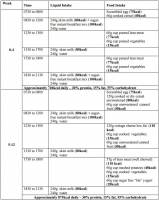
Sample Menu
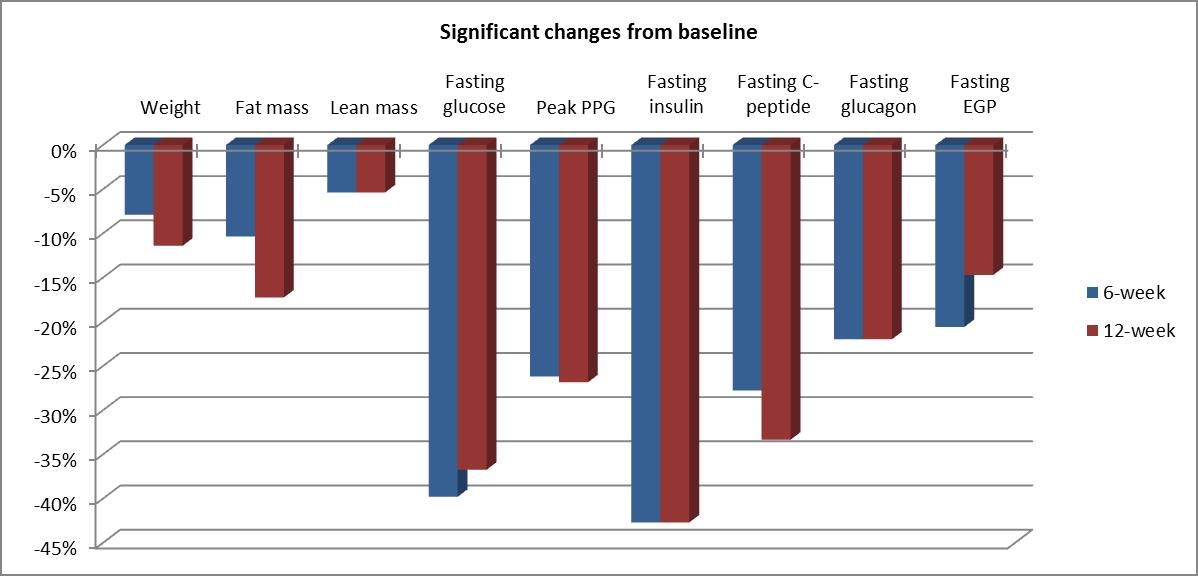
Significant improvements in glucose metabolism at 6 and 12 weeks

Individuals suffering from type-2 diabetes (T2D) can have a grocery list of health problems secondary to their condition, but the core issue is a dysregulation of glucose metabolism. The cause is multi-faceted and includes both genetic and environmental factors, but one consistently reappearing player is an excess amount of fat tissue – especially visceral fat. Therefore, it stands to reason that fat loss in individuals with T2D would lead to improvements in glucose metabolism. To test this hypothesis, researchers from the Mayo Clinic College of Medicine recruited 9 morbidly obese individuals with T2D (7 female) to follow a very low-calorie diet for 12-weeks. The diet consisted of 740 kcal daily for the first 4 weeks and 875 kcal daily thereafter, with meals derived from the Nutritional Guidelines for Bariatric Surgery. The participants met with a dietitian weekly and a behavioral psychologist every other week to facilitate compliance. Body composition measurements (DXA...

Continue reading
  3344 Hits

Beans, beans, the magical fruit, the more you eat, the more you…

Beans, beans, the magical fruit, the more you eat, the more you…
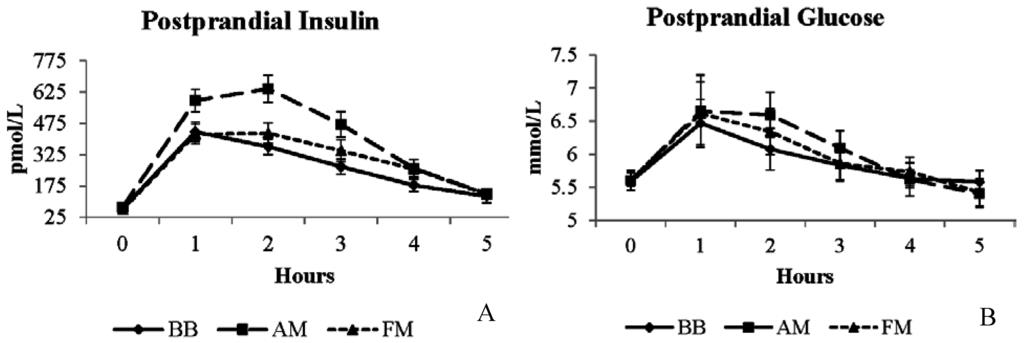
Postprandial insulin (A) and glucose (B) responses to moderate-fat breakfast with BB, AM, or FM. BB, black bean meal; FM, fiber matched meal; AM, antioxidant matched meal.

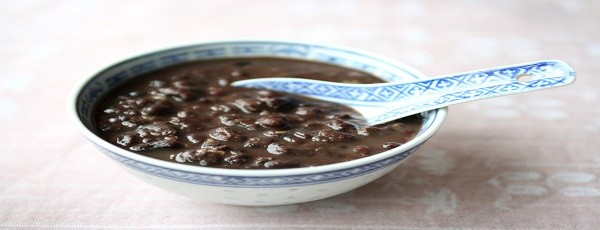
Nowadays, people love looking for their health solutions in the form of a pill and companies bank off isolating and selling functional components of foods as dietary supplements. But as Elizabeth Reverri and colleagues from the University of California Davis point out, “functional ingredients may not produce the same effects when delivered outside a whole food matrix.” These researchers were interested in understanding how the food matrix contributed to the health benefits of two compounds: antioxidants and fiber. And what better group of subjects to test potential health benefits than overweight-obese men and women with metabolic syndrome. This study was a randomized, controlled, crossover trial consisting of three study days, each separated by one week, in which the 12-hour overnight-fasted subjects consumed a black bean (BB), fiber-matched (FM), or antioxidant-matched (AM) breakfast meal made of commercially available Western-style foods and had blood draws before and for 5 hours postprandially. Meal composition...

Continue reading
  2908 Hits

Food order matters; eat your protein and veggies before your carbohydrates

Food order matters; eat your protein and veggies before your carbohydrates

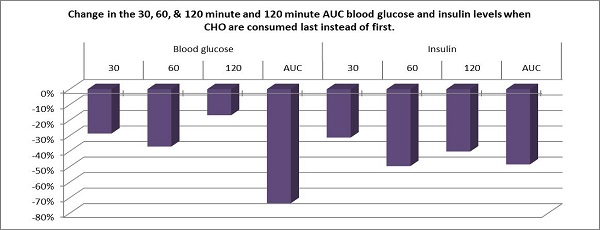
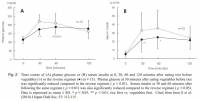
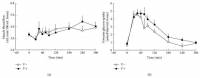
Time course of blood glucose and insulin
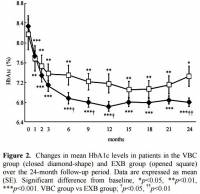
Changes in average HbA1c levels.
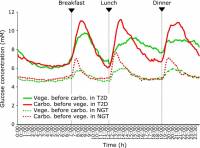
Continuous glucose monitoring.

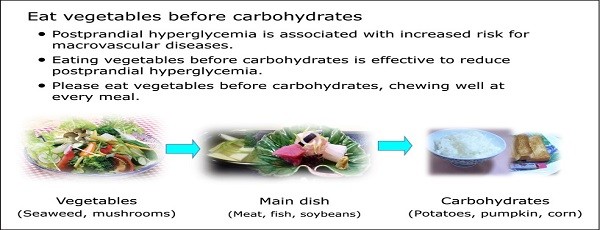
Imagine you are eating a meal; what do you eat first? Whether you are at a buffet, a nice sit-down restaurant, or cooking at home, meals typically have a combination of foods that can be roughly divided into proteins, fats, starchy carbohydrates, and fibrous vegetables. There is little to no debate that early treatment or prevention of postprandial hyperglycemia is important for health, especially in those with type-2 diabetes (T2D). Recently, researchers publishing in Diabetes Care asked whether the order in which a meal was consumed would influence the metabolic response to it in 11 T2D men and women. After a 12-h overnight fast, subjects consumed an isocaloric meal (628 kcal: 55 g protein, 68 g carbohydrate, and 16 g fat) with the same composition on 2 separate days, 1 week apart. During the first visit, the food order was carbohydrate (ciabatta bread and orange juice), followed 15 min later by...

Continue reading
  4349 Hits

Vinegar – glycemia’s best friend

Vinegar – glycemia’s best friend
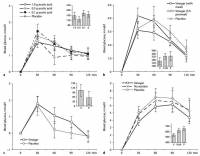
: Blood glucose responses at 0, 30, 60, 90 and 120 min for trials 1 (a), 2 (b), 3 (c), and 4 (d).
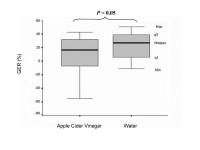
Gastric emptying of a rice pudding meal ingested with and without apple cider vinegar, expressed as the gastric emptying rate (GER), in ten type 1 diabetics with clinically diagnosed diabetic gastroparesis.
Effect of vinegar (black) and placebo (white) on muscle blood glow (a) and glucose uptake (b).
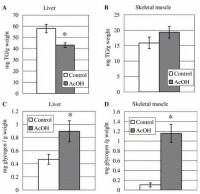
Fat (top) and glycogen (bottom) content of the liver (left) and skeletal muscle (right) in rats fed a standard diet with (grey) or without (white) acetic acid.

Every day for years I have made my best effort to consume vinegar with every meal. Whether this is apple cider vinegar mixed in carbonated water or a touch of white vinegar on steamed greens or rice, I always try and find a way to have my vinegar. If you asked me why, I would say that it helps reduce post-prandial glycemia (the blood glucose response following a meal). In fact, it was the first guest-post article I had written for Adel Moussa over at SuppVersity. Since then I have never really given vinegar a second thought, until a newly published study popped into my inbox that once again brought vinegar to my attention. Only this time, I want to do it more justice than I had in the short article I wrote for Adel. So, what is vinegar? Vinegar is a liquid consisting mainly of water and acetic acid, which...

Continue reading
  8944 Hits

Fish oil for fatty liver?

Fish oil for fatty liver?
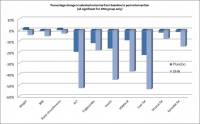
Percentage change from baseline to post-intervention in selected outcomes (all significant in the DHA group only)

Nonalcoholic fatty liver disease (NAFLD) is exactly what its name says – the abnormal accumulation of fat within the liver (steatosis for the nerds like me) from causes other than alcohol. The more severe form of NAFLD is called non-alcoholic steatohepatitis (NASH; literally “fatty inflammation”), which can eventually progress to cirrhosis, permanent liver damage, and cancer. Nonetheless, even simple NAFLD can cause widespread metabolic problems within the body, which should be no surprise considering the tremendous role the liver plays in detoxifying the body and managing nutrients. Anyway, NAFLD prevalence has been increasing over the past few decades and is currently estimated to be around 30% in the U.S. population, with causes ranging from excessive caloric intake and muscular insulin resistance to genetic abnormalities. We can’t really do anything about the genetics, but it is no coincidence that the only tried and true methods for reducing liver fat include weight loss...

Continue reading
  3241 Hits
SHR Logo

Super Human Radio is the world's longest running broadcast dedicated to health, fitness & anti-aging with an emphasis on exercise, nutrition, and hormone management. This one of the most progressive podcasts for preventative & regenerative techniques designed to increase longevity. More

2908 Brownsboro Rd Ste 103
Louisville, Kentucky 40206

(502)-690-2200

SHR Logo

Super Human Radio is the world's longest running broadcast dedicated to fitness, health, and anti-aging with emphasis on exercise, nutrition, and hormone management. The most progressive source of information for preventative & regenerative techniques... More

2908 Brownsboro Rd Ste 103
Louisville, Kentucky 40206
United States of America

+1 502-690-2200