
• +1 502-690-2200
  • This email address is being protected from spambots. You need JavaScript enabled to view it.

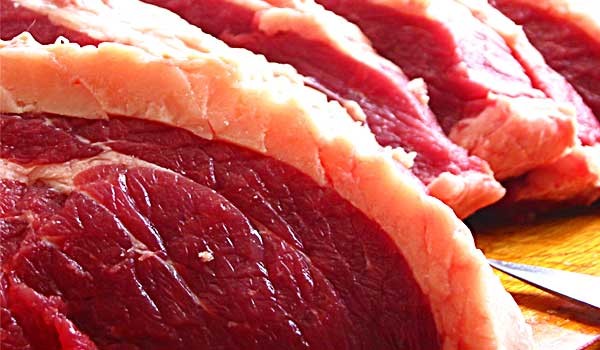
Red meat, dairy, and insulin sensitivity: a randomized crossover intervention study

Red meat, dairy, and insulin sensitivity: a randomized crossover intervention study

There is no shortage of observational evidence supporting the relationship between dairy intake, red meat intake, and risk of developing type-2 diabetes. In an exhaustive review of all systematic reviews and meta-analyses published from 1950 to 2013, pooling the results of 29 articles examining the link between common foods groups and risk of developing type-2 diabetes (T2D) revealed dairy to be one of the most protective food groups second only to coffee and nuts. Conversely, red and processed meats were the most detrimental after sweetened beverage intake.

Since this paper’s publication, a recent review of ten randomized controlled trials in which only dairy intake was altered found that four showed a positive effect on insulin sensitivity, five showed no effect, and one showed a negative effect. Conversely, a meta-analysis of three U.S. cohorts with 194,491 persons and 3,984,203 person-years of follow-up found only yogurt consumption to be associated with a lower risk of T2D. Interestingly, the intake of dairy fat is also associated with glucose tolerance and incident of T2D.
Continue reading
  2944 Hits

It’s not just celiac; gluten consumption may increase inflammation and the body’s protection against it in otherwise healthy individuals

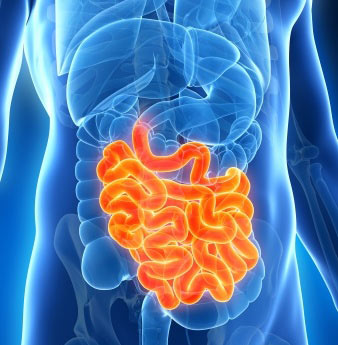
intestinal inflammationGluten is a protein found in wheat and related grains such as rye and barely. It makes up about 80% of the protein in wheat and is conjoined to the gran’s starch within the endosperm, making it available regardless of processing. Very recently, people have begun to appreciate the gluten content of cereal grains and many have chosen to avoid it, which makes complete sense if you have celiac disease. Alas, most people don’t.


Despite not having flat out celiac disease, these individuals claim to experience a very similar range of symptoms upon eating gluten. So much so that researchers have coined the term non-celiac gluten sensitivity (NCGS) to describe these persons. A diagnosis of NCGS is made when the reintroduction of gluten to the diet causes a recurrence of symptoms that were not present during a period of gluten exclusion. Ironically, despite a full-blown diagnosis being available, the pathogenesis and etiology of NCGS remain unknown. Even randomized clinical trials of individuals with self-diagnoses NCGS have failed to support that this condition exists, and other research has suggested NCGS to be instead FODMAP intolerance.

Continue reading
  1987 Hits

How much is too much? A look at the dose-response effects of drinking sugar-sweetened beverages on heart disease risk factors.

There is no shortage of research showing the consumption of added sugars, especially those from sugar-sweetened beverages (SSB), to be detrimental to health. This of course hasn’t stopped Americans, with adults consuming ~14% and children consuming ~16% of their daily calories as added sugars. These average levels of intake correspond to an 18% increased risk of cardiovascular disease (CVD) mortality. But at what point does the CVD risk really take off? Is there a threshold of sugar consumption where detriments start to accumulate exponentially? To help answer these questions, Kimber Stanhope et al. from the University of California, Davis, investigated the effects of consuming different doses of added sugars from SSBs on CVD risk factors of young and otherwise healthy men and women.

Continue reading
  1737 Hits

Cranberry Juice – The Band-Aid for a Horrible Diet

Although we are quite some time away from cranberry season (mid-September to med-November), cardiometabolic diseases such as cardiovascular disease (CVD), type-2 diabetes (T2D), and stroke take lives year-round. The bring this up because a fairly recent review article on cranberries and human health concluded that,

“There is strong experimental evidence that cranberry bioactives have favorable effects on blood pressure, glucose metabolism, lipoprotein profiles, oxidative stress, inflammation, and endothelial function.”

Continue reading
  2187 Hits

Is less more? A look at the optimal amount of dietary fat for nutritional ketosis

Ketosis is an interesting physiological state characterized by an excessive reliance on fatty acids as an energy source. Under ketogenic conditions, the liver metabolizes fatty acids into two primary ketones: acetoacetic acid and beta-hydroxybutyric acid. A third type of ketone called acetone is also made through the spontaneous breakdown of acetoacetic acid and easily travels into the lungs to be exhaled, thus giving the classic fruity breath of ketosis.

Continue reading
  2855 Hits
SHR Logo

Super Human Radio is the world's longest running broadcast dedicated to health, fitness & anti-aging with an emphasis on exercise, nutrition, and hormone management. This one of the most progressive podcasts for preventative & regenerative techniques designed to increase longevity. More

2908 Brownsboro Rd Ste 103
Louisville, Kentucky 40206

(502)-690-2200

SHR Logo

Super Human Radio is the world's longest running broadcast dedicated to fitness, health, and anti-aging with emphasis on exercise, nutrition, and hormone management. The most progressive source of information for preventative & regenerative techniques... More

2908 Brownsboro Rd Ste 103
Louisville, Kentucky 40206
United States of America

+1 502-690-2200