
• +1 502-690-2200
  • This email address is being protected from spambots. You need JavaScript enabled to view it.

A little protein goes a long way in bariatric surgery patients

A little protein goes a long way in bariatric surgery patients


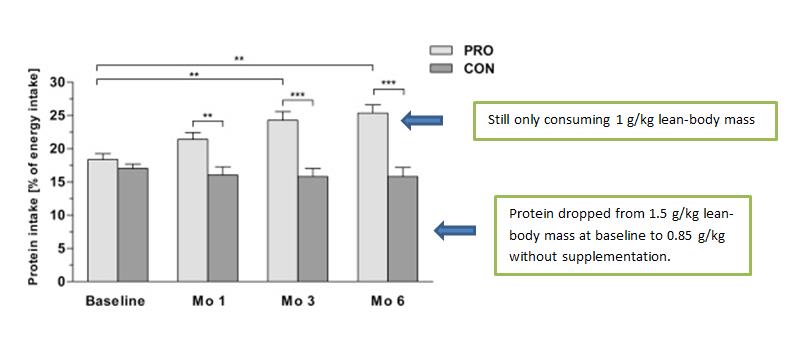
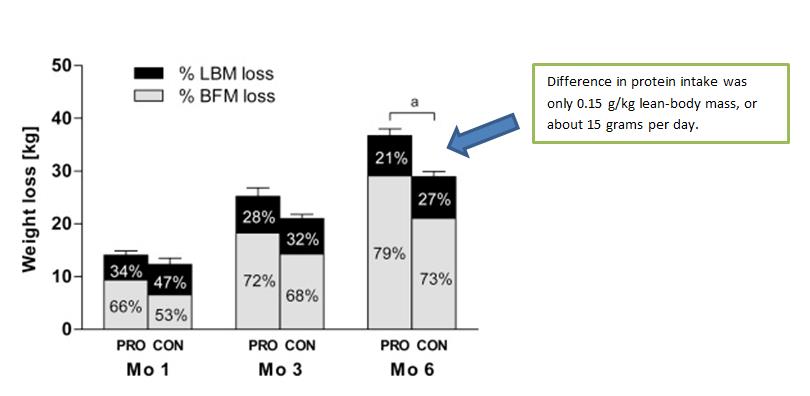
A high-protein diet during caloric restriction is an almost ubiquitous recommendation to maximize fat loss, muscle retention, and dietary adherence. Interestingly, one group of individuals in which this has not been well investigated is patients who have undergone bariatric surgery, which forces extreme caloric restriction. Only recently did Schollenberger et al publish findings from their pilot study investigating the efficacy of protein supplementation in a population that literally cannot stomach a lot of food. Their randomized, placebo-controlled, double-blind examination was conducted at the University Hospital Tubingen, Germany, with 20 morbidly obese adults (17 female) allocated to either the protein (PRO) group that received protein supplements daily over six months after bariatric surgery or the control (CON) group that did not. Both groups received isocaloric powders similar in look, smell, and other characteristics, but the PRO group powder contained 88 g milk protein per 100 g powder while the CON group received...
Continue reading
  1363 Hits

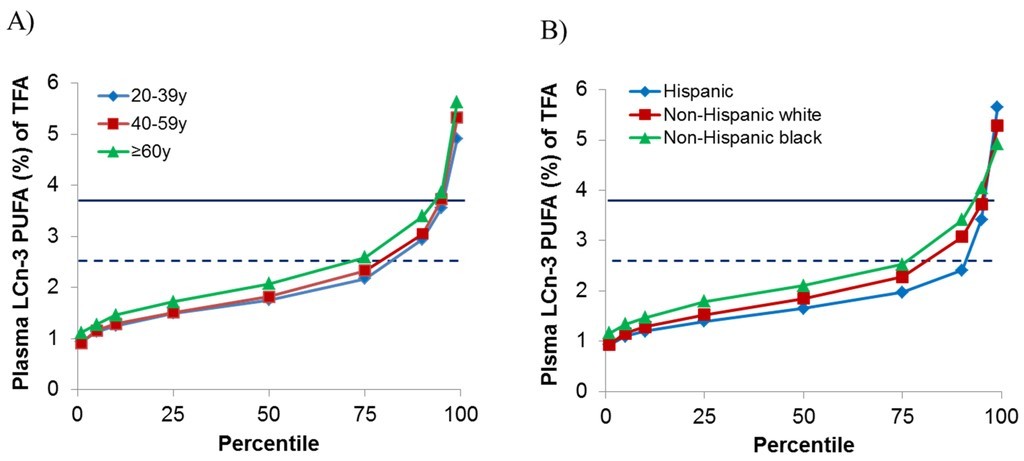
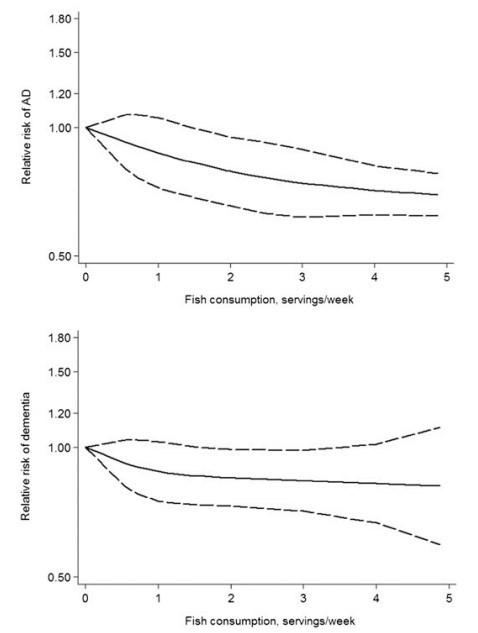
Super Human Roundup: Very-long-chained saturated fatty acids protect against death and Americans aren’t eating fish that protect the mind

Super Human Roundup: Very-long-chained saturated fatty acids protect against death and Americans aren’t eating fish that protect the mind


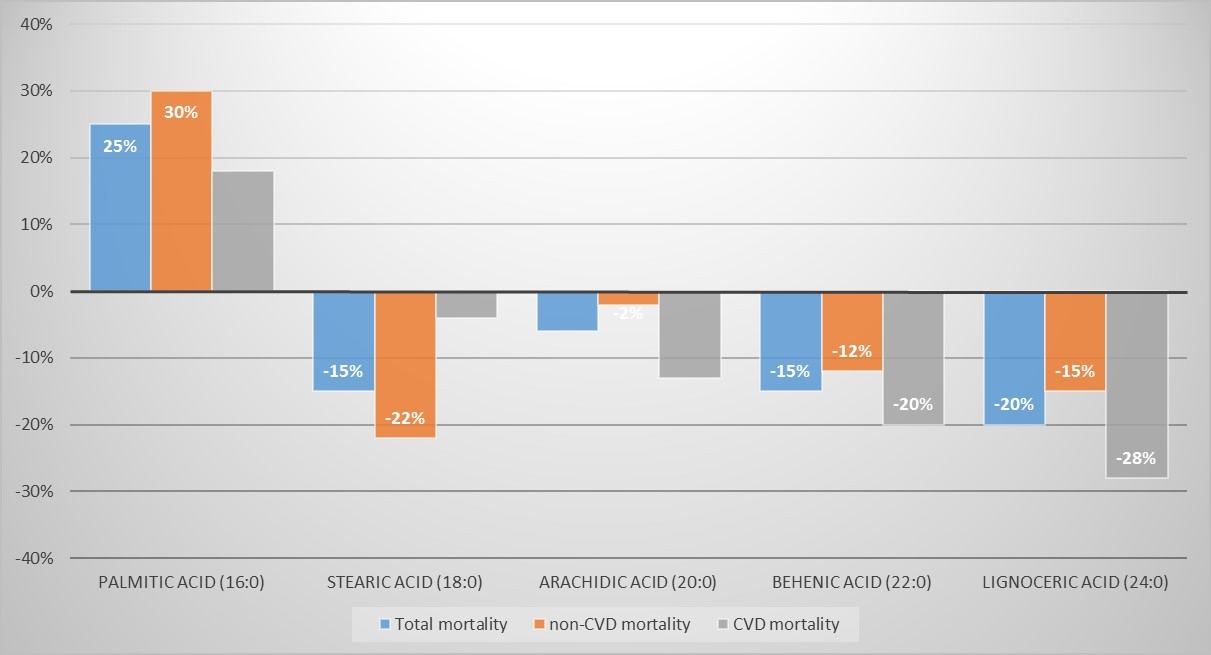
Very-long-chained saturated fat may protect against death It is well-known that saturated fatty acids (SFAs) of different chain lengths have different metabolic effects within the body. There is also increasing evidence that circulating SFAs may influence the risk of cardiovascular diseases (CVD) and mortality. Yet, the vast majority of this research focuses on the long-chained SFA palmitic acid (16:0) and stearic acid (18:0). This is not without reason, as these two SFAs are the most common SFAs in the human diet and palmitic acid is also produced within the liver during de novo lipogenesis (DNL). Far less is known about the very-long-chained SFAs arachidic (20:0), behenic (22:0), and lignoceric (24:0) acid that are obtained primarily from peanuts and canola oil. As such, Fretts et al took it upon themselves to determine the relationship between the amount of these SFAs within the red blood cell membrane and CVD mortality and non-CVD mortality...

Continue reading
  1426 Hits

Evidence of non-celiac gluten sensitivity?

Evidence of non-celiac gluten sensitivity?


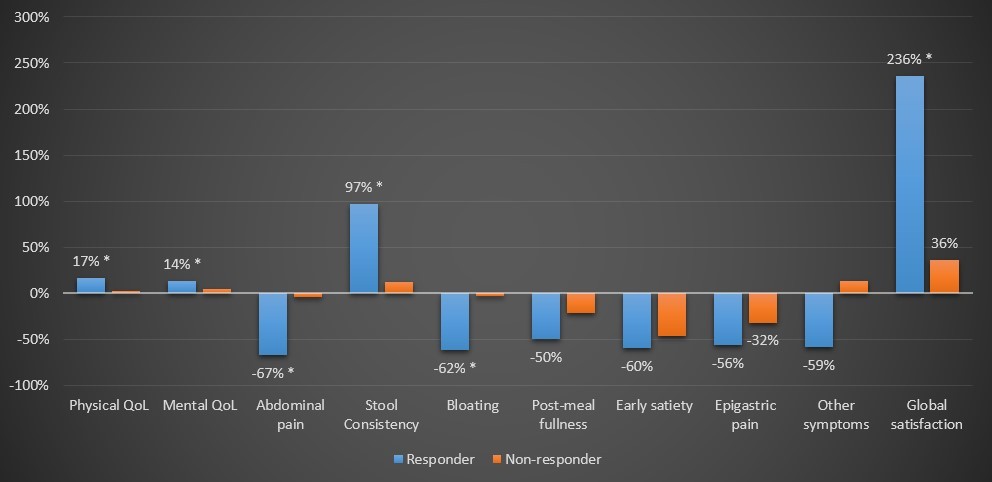
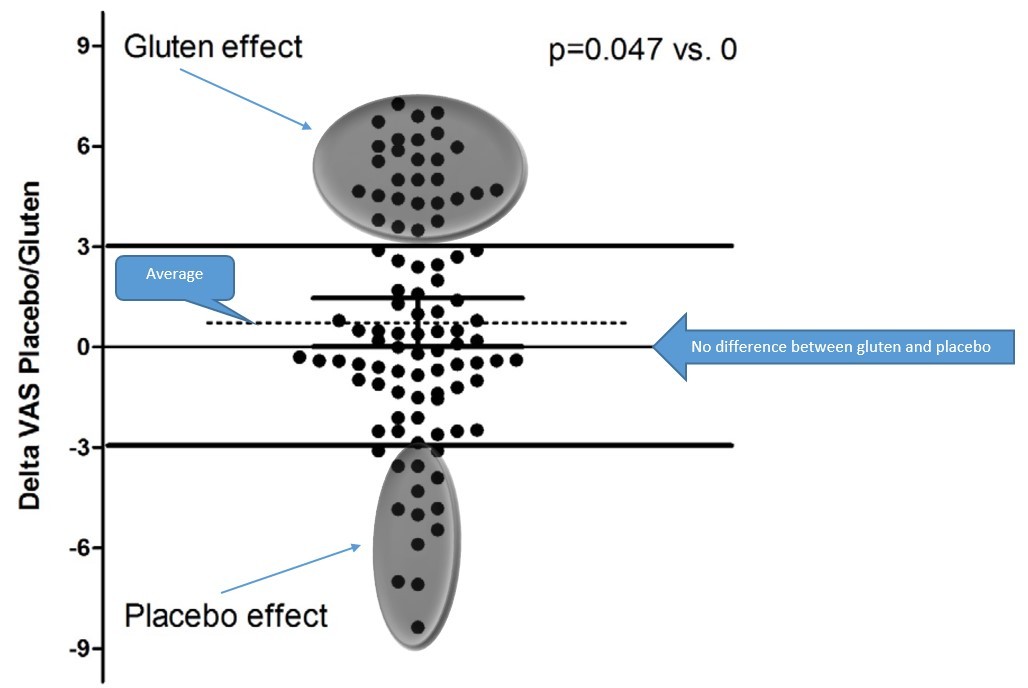
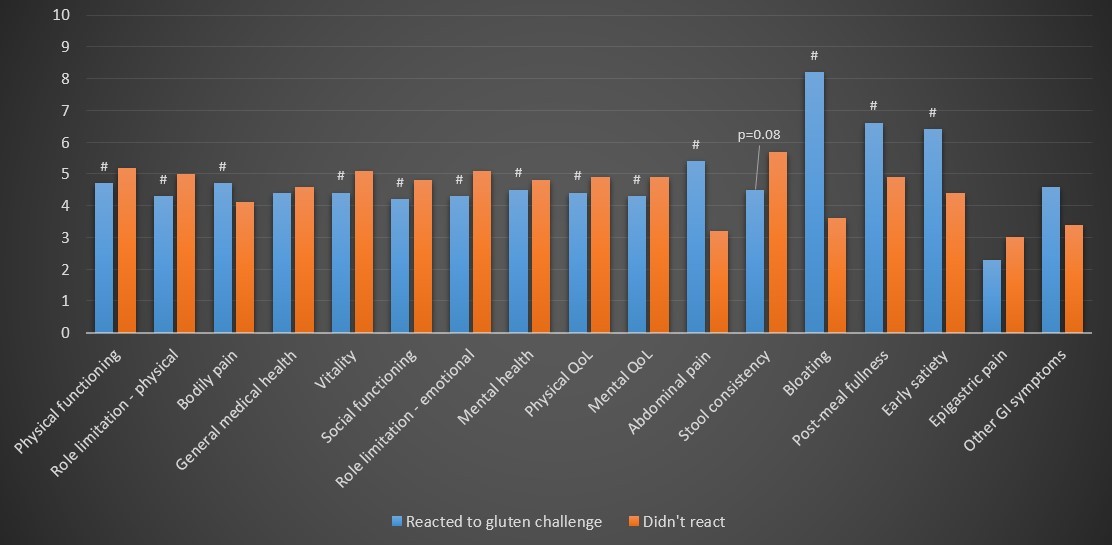
Gluten is the main structural protein of wheat and related cereal grains. The two best-known diseases related to gluten exposure are a wheat allergy and celiac disease. In both conditions the reaction to gluten is mediated by T-cell activation (adaptive immunity) in the gastrointestinal mucosa. However, a wheat allergy is defined by the IgE-gluten interaction that triggers a release of chemical mediators, such as histamine, whereas celiac disease is defined by an autoimmune response to gluten exposure. It is now recognized that non-celiac gluten sensitivity (NCGS) represents a third disease in which neither allergic nor autoimmune mechanisms are involved. The problem is that the NCGS clinical picture is heterogeneous and not specific, including intestinal (diarrhea, constipation, bloating, nausea, and epigastric pain) and extra-intestinal (lack of well-being, anxiety, tiredness, fibromyalgia, chronic fatigue, foggy mind, and headache) symptoms. Indeed, the exclusion of celiac disease or a wheat allergy and a favorable response to a...

Continue reading
  4444 Hits

Are all trans-fats created equal? No, some naturally occurring ones are worse than their industrial counterparts.

Are all trans-fats created equal? No, some naturally occurring ones are worse than their industrial counterparts.


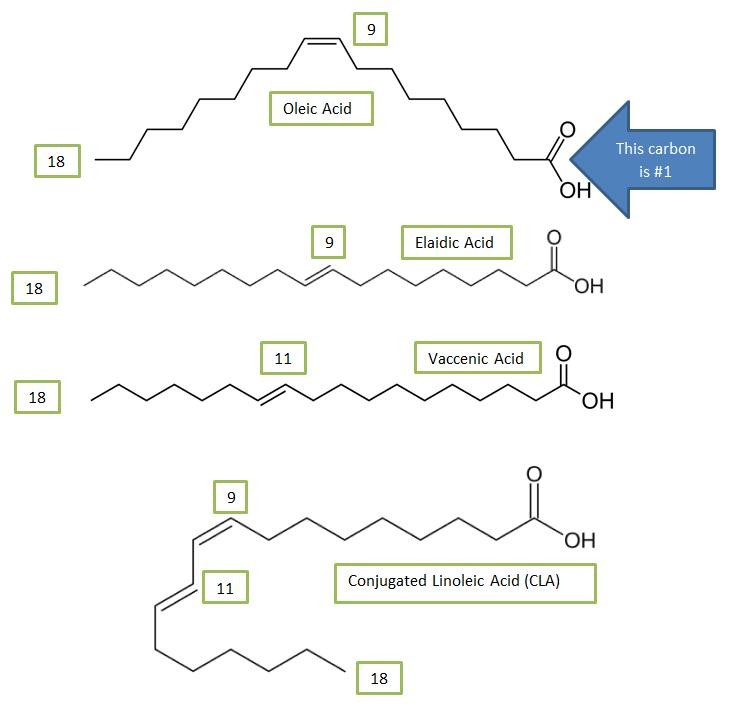
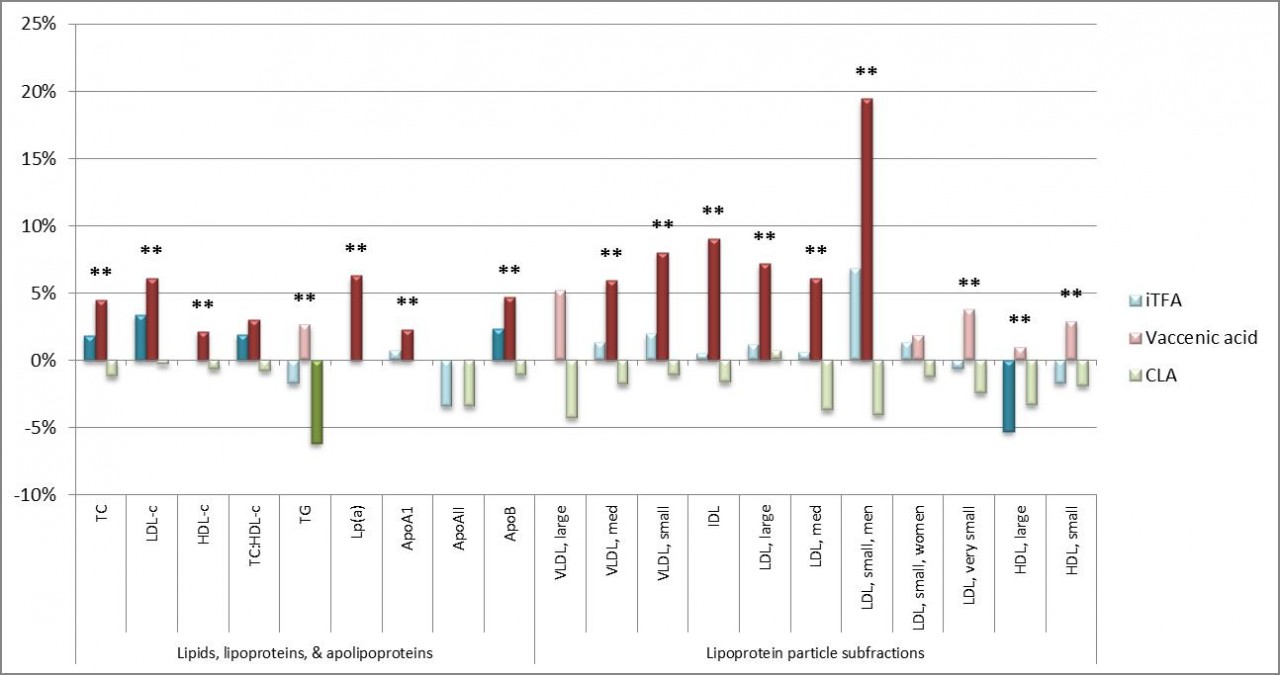
Just over a century ago, humans discovered the ability of hydrogenation and used it to create solid fats from liquid vegetable oils. These partially hydrogenated fats quickly became industrialized thanks to their reduced cost in comparison with saturated fats, increased stability compared to polyunsaturated fats, and ability to prolong the shelf life of various foods. However, as much as 50% of the partially hydrogenated fat may be constituted by industrial trans- fatty acids (iTFAs) that are created during the hydrogenation process. When we discuss trans- fatty acids, the above is often what comes to mind. However, trans-fatty acids have been a part of the human diet for hundreds of thousands, if not millions, of years due to the consumption of meat, fat, and milk from ruminant animals (cattle, goats, sheep, deer, etc.). The microbial biohydrogenation that creates these ruminant trans- fatty acids (rTFAs) is a completely natural process that results in...

Continue reading
  1625 Hits

Fat and sick? You may need more vitamin E. So eat your nuts and veggies.

vitamin-e-foods

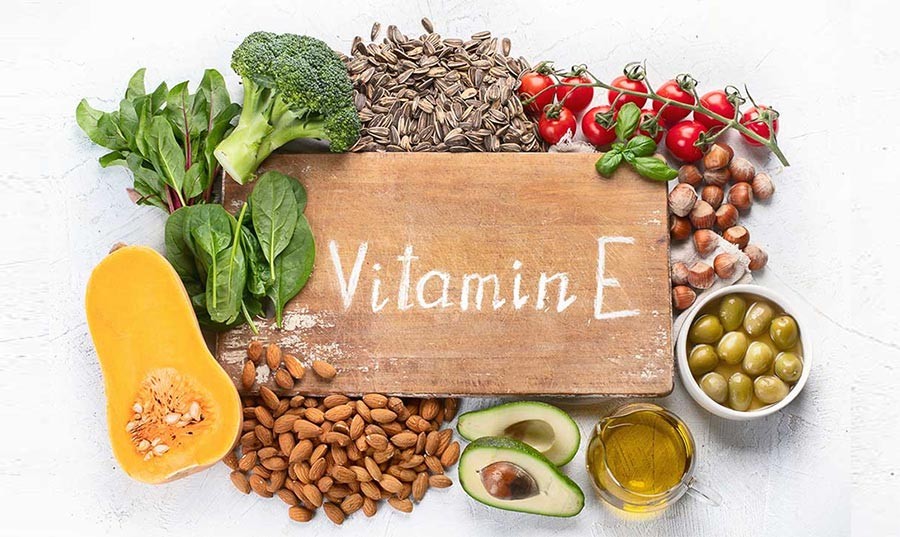
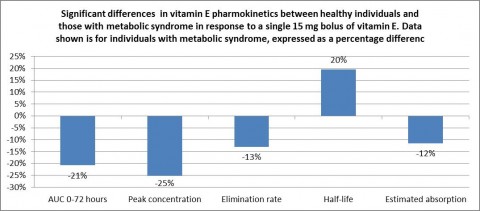
Out of all the vitamins and minerals essential to life, vitamin E is probably the hardest to come by. At least 90% of Americans don’t meet the Estimated Average Requirement (EAR; 12 mg/day) set by the Institute of Medicine, which is estimated to meet the nutrient requirement half of the healthy population. Considering that nuts and seeds and their oils are the best naturally occurring dietary sources, this isn’t too surprising. Only 6% of the US population eats nuts, and only 38% of these individuals don’t meet the EAR for vitamin E. To be fair, the government recommendations don’t exactly make obtaining vitamin E easy. Dietary modeling has shown that a 2000 kcal diet must contain 11 servings of fruit and vegetables and 0.6 servings of nuts and seeds to meet the vitamin E requirements while still adhering to the Dietary Guidelines for Americans. Of course, very few individuals follow these...

Continue reading
  1553 Hits
SHR Logo

Super Human Radio is the world's longest running broadcast dedicated to health, fitness & anti-aging with an emphasis on exercise, nutrition, and hormone management. This one of the most progressive podcasts for preventative & regenerative techniques designed to increase longevity. More

2908 Brownsboro Rd Ste 103
Louisville, Kentucky 40206

(502)-690-2200

SHR Logo

Super Human Radio is the world's longest running broadcast dedicated to fitness, health, and anti-aging with emphasis on exercise, nutrition, and hormone management. The most progressive source of information for preventative & regenerative techniques... More

2908 Brownsboro Rd Ste 103
Louisville, Kentucky 40206
United States of America

+1 502-690-2200