
• +1 502-690-2200
  • This email address is being protected from spambots. You need JavaScript enabled to view it.

Cardio-protective effects of fish are not owed entirely to fish oils

Cardio-protective effects of fish are not owed entirely to fish oils
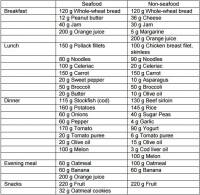
Sample daily menu of experimental diets
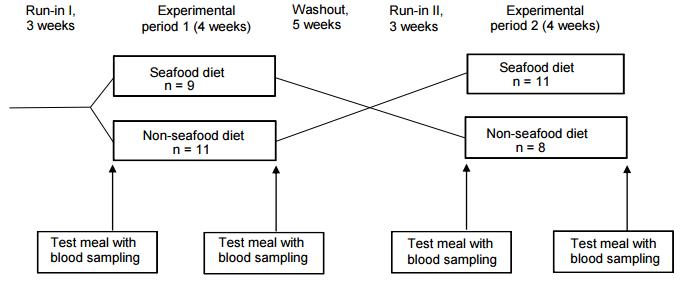
Experimental protocol
Cardio-protective effects

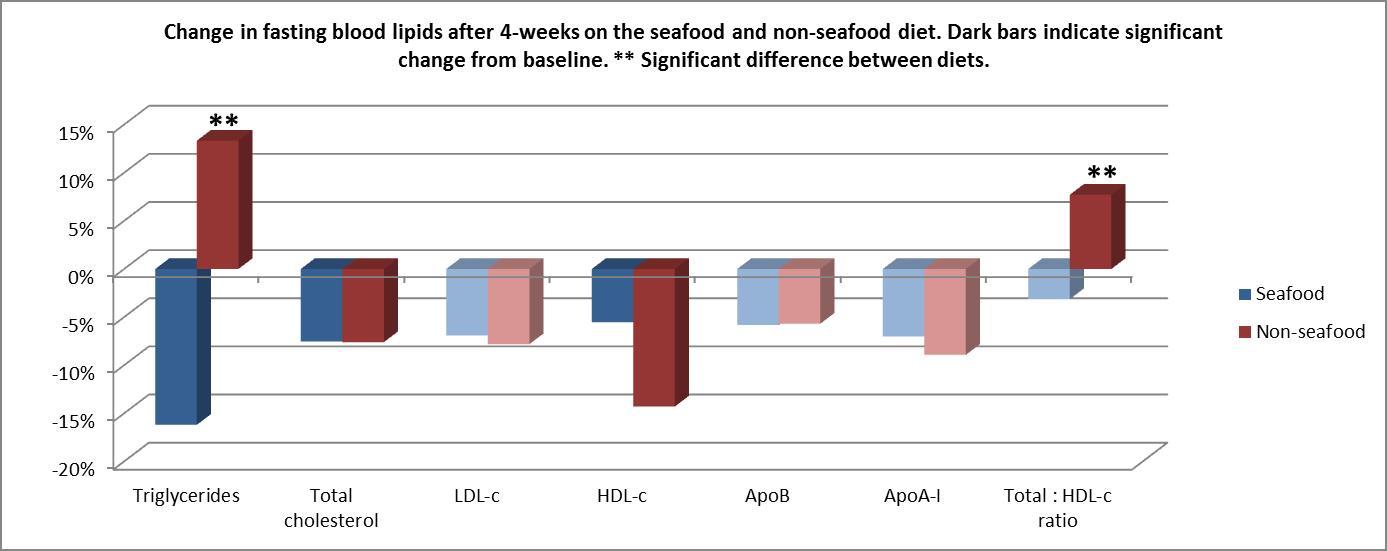
Fish and fish oils are one of the few foods that appear to be universally accepted as healthy, and a massive analysis of all published meta-analyses and systemic reviews from 1950 to 2013 found fish consumption to be one of the most protective food groups against all diet-related chronic diseases, especially cardiovascular disease (CVD). Much of the focus has, however, been on fish oils and the fatty fish that contain them in appreciable quantities. But what if there are other aspects to fish that make it beneficial? Preliminary findings have suggested, for example, that the addition of fish gelatin to a fish oil supplemented diet enhances the cardioprotective effects. To answer this question, researchers from the National Institute of Nutrition and Seafood Research, Norway, recruited 19 healthy middle-aged Caucasian men and women from the local area to participate in a crossover design RCT comparing identical diets differing only in their primary...

Continue reading
  2001 Hits

Super Human Roundup: Childhood screen time and academics, infant diets, hypertension, and overrated grains

Super Human Roundup: Childhood screen time and academics, infant diets, hypertension, and overrated grains

Obesity, screen time, and sedentariness predict lower academic achievement in children Antonio Garcia-Hermoso and Raquel Marina recently recruited 395 seventh-grade boys and girls from seven schools to estimate the relationship between weight, physical activity, screen time, and academic achievement. After adjusting for several confounding variables, they found that boys and girls with obesity had worse grades than their leaner peers and that kids who had more than 2-hours of screen time daily had worse grades independent of weight status and physical activity. These associations only became stronger when variables were combined. Both boys and girls who were obese, with low–medium physical activity and exceeded recommended screen time were less likely to earn high academic achievements than their counterparts who were non-obese, with high physical activity and met screen time recommendations, independent of potential confounders. Have you ever wondered what infants in the U.S. eat? To say good nutrition during infancy is...

Continue reading
  1644 Hits

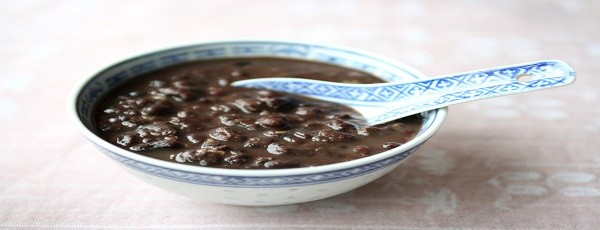
Beans, beans, the magical fruit, the more you eat, the more you…

Beans, beans, the magical fruit, the more you eat, the more you…
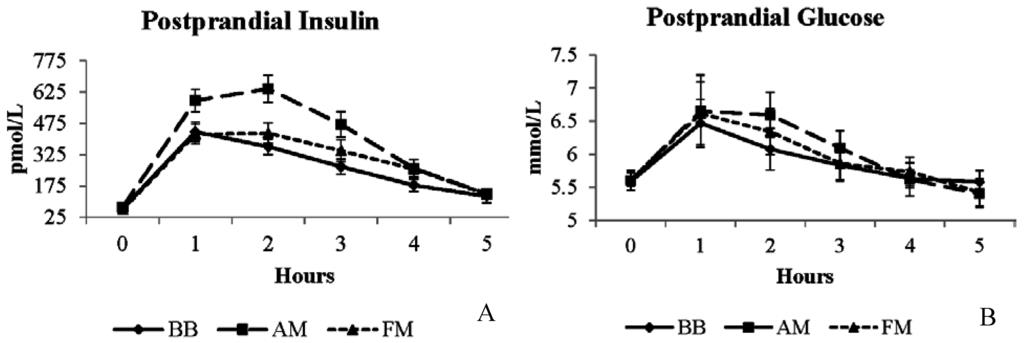
Postprandial insulin (A) and glucose (B) responses to moderate-fat breakfast with BB, AM, or FM. BB, black bean meal; FM, fiber matched meal; AM, antioxidant matched meal.

Nowadays, people love looking for their health solutions in the form of a pill and companies bank off isolating and selling functional components of foods as dietary supplements. But as Elizabeth Reverri and colleagues from the University of California Davis point out, “functional ingredients may not produce the same effects when delivered outside a whole food matrix.” These researchers were interested in understanding how the food matrix contributed to the health benefits of two compounds: antioxidants and fiber. And what better group of subjects to test potential health benefits than overweight-obese men and women with metabolic syndrome. This study was a randomized, controlled, crossover trial consisting of three study days, each separated by one week, in which the 12-hour overnight-fasted subjects consumed a black bean (BB), fiber-matched (FM), or antioxidant-matched (AM) breakfast meal made of commercially available Western-style foods and had blood draws before and for 5 hours postprandially. Meal composition...

Continue reading
  2911 Hits

Olive oil reduces postprandial glycemia and oxidative stress in healthy people eating a great lunch

Olive oil reduces postprandial glycemia and oxidative stress in healthy people eating a great lunch

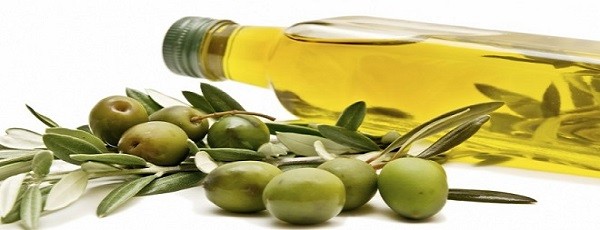
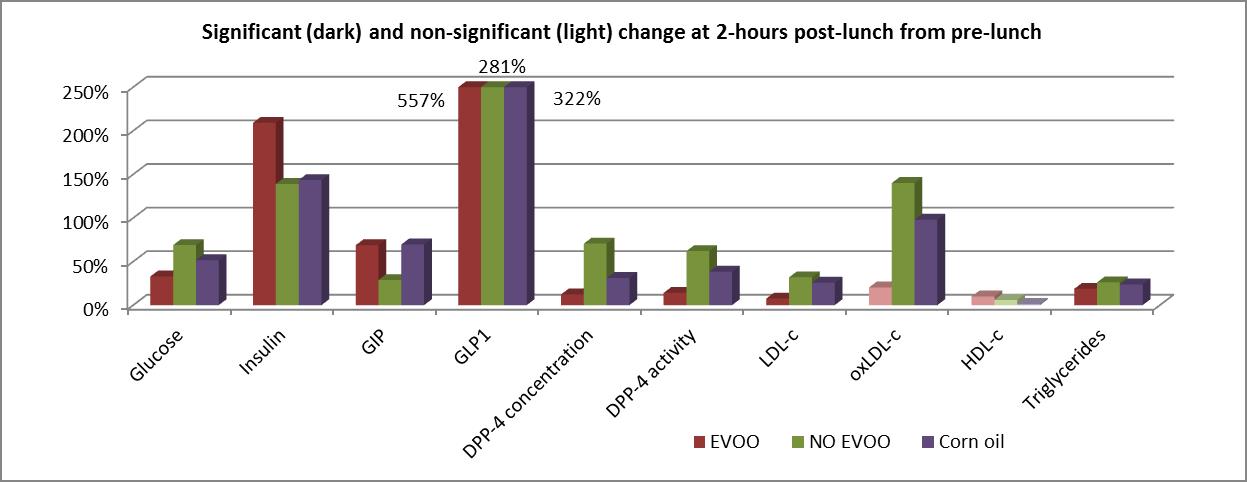
In previous articles, I wrote about a handful of studies that collectively demonstrated that consuming monounsaturated fat in place of saturated fat, even in small amounts, has beneficial effects on CVD risk factors, and that obtaining the monounsaturated fat from unadulterated whole-foods like unrefined olive oil and nuts can elicit even greater benefit through their secondary metabolites. However, these effects were obtained with chronic intake of at least one month and a largely uncontrolled for diet. This doesn’t downplay the health benefits by any means, but it does raise questions of whether these outcomes are observable within a single meal. To answer this, researchers from Sapienza University of Rome, Italy randomized 25 healthy male and female participants to consume a traditional Mediterranean lunch with or without 10g of extra virgin olive oil (EVOO) in a crossover design separated by 30 days. Compared to consuming the meal without EVOO, the small 10g...

Continue reading
  2228 Hits

If you’re losing weight, fructose doesn’t matter

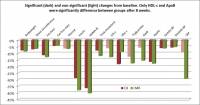
Changes in weight and blood-borne variables after eight weeks.

Over the last decade, there has been a considerable amount of literature dedicated to clarifying the role that fructose plays in health and disease. Unlike glucose, fructose is primarily metabolized within the liver and bypasses a critical rate-limiting step (phosphofructokinase) in the energy production pathway of glucose. Bypassing this step means that the metabolism of fructose is less controlled than the metabolism of glucose, and this is the main reason why fructose and glucose have different metabolic effects. It has been shown in healthy adults that fructose stimulates DNL (de novo lipogenesis; the creation of fatty acids) to a greater extent than glucose, and this is the main reason why fructose has been portrayed as particularly harmful. However, isotopic tracer studies in humans suggest that 50% of ingested fructose is converted into glucose, 25% into lactate, at least 15% into liver glycogen, and only 10% oxidized directly or converted to fatty...

Continue reading
  2056 Hits

Statins strike again! Reductions in serum DHA evident with short-term use

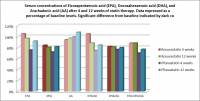
Serum changes from baseline in EPA, DHA, and AA.

Statins are quickly becoming the front-line method for primary prevention of cardiovascular disease (CVD) due to their outstanding ability to reduce LDL-cholesterol levels, and the most recent Cochrane Review indicates that statins are effective at reducing all-cause and CVD mortality. Of particular concern, however, was the fact that all trials were either fully or partially funded by pharmaceutical companies (five by Bristol Myers and Squibb, three by Pfizer, four by Astra-Zeneca, two by Merck and one by Bayer, one by Bayer and Merk, one by Pfizer, and the remaining by Sankyo Co Ltd). Moreover, the reporting of adverse events in these trials was generally poor, with failure to provide details of severity and type of adverse events or to report on health-related quality of life. There really is no doubt that statins are effective at doing what they were designed to do – lower LDL-cholesterol. However, statins don’t target LDL-c directly;...

Continue reading
  2201 Hits

Olive oil healthier than butter, even when refined and especially when pure

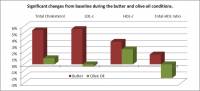
Changes from baseline in blood cholesterol on diet containing 4.5% of calories as butter or refined olive oil.
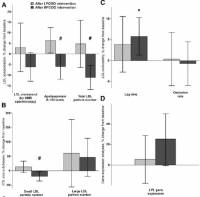
Changes from baseline values of (A) directly measured LDL concentrations, (B) LDL size distribution, (C) LDL oxidizability, and (D) LPL gene expression. * Significantly different from baseline. # Significantly different from LPCOO intervention.

Dairy fat is a complicated topic because it is typically around 70% saturated fat but shows very inconsistent effects on blood lipids and cardiovascular disease (CVD) risk. However, if we narrow things down farther from dairy fat and focus on the foods which contain it, there is a lot of evidence from randomized controlled trials that diets high in saturated fat derived largely from butter fat increases LDL-c, whereas cheese intake results in lower LDL-c compared with butter of equal fat content. However, every trial showing these effects has used very high amounts of butter. For instance, one study replaced 13% of the subject’s caloric intake with butter, which corresponded to an average of 50 grams (almost one-half of a stick) of butter per day. In order to evaluate the effects of moderate butter consumption on CVD risk factors, Engel and Tholstrup from the University of Copenhagen, Denmark recruited 47 healthy...

Continue reading
  2823 Hits

Fish oil for fatty liver – round 2 PLUS a review of its lipid-lowering effects

Fish oil for fatty liver – round 2 PLUS a review of its lipid-lowering effects
Effects of omega-3s on serum triglycerides

In a previous article I wrote about one of the first clinical trials to evaluate the effect of DHA supplementation on indexes of fatty liver in adolescents. Needless to say, the results were quite impressive. But what if you don’t catch non-alcoholic fatty liver disease (NAFLD) quickly enough? Over time, oxidative stress, lipotoxicity, insulin resistance, and central inflammatory signaling pathways drive a transformation from NAFLD to the more serious condition called non-alcoholic steatohepatitis (NASH; literally “fatty inflammation”). At this point, would fish oils still help? If we trust the results of a recent double-blind, placebo-controlled, randomized clinical trial from Brazil, the answer is no! But there’s a catch. Fifty adult men and women with diagnosed NASH supplemented with three pills per day for six months before being readmitted for another liver biopsy to gauge any changes in liver health. What nobody knew (double-blind), was whether the pills supplied a mineral oil...

Continue reading
  2839 Hits

Super Human Roundup: Exercise good for children, eating cholesterol raises cholesterol, and we know nothing about bioactives

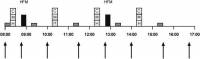
Testing protocol

Exercise throughout the day is healthy for children!... We need research to tell us this? I would be flabbergasted (awesome word) to find someone who thinks exercise throughout the day isn’t healthy, but at least now we have research documenting it. Nineteen 13-14 year old boys and girls visited the laboratory on four difference occasions where they completed in a randomized order: (1) two, 1 minute intervals at 90% VO2max, separated by 75 seconds of rest (HIIE); (2) ~ 6 min of cycling at 90% GET (MIE); or (3) remained seated and watched TV (control; CON). The exercise bouts were repeated four times, each separated by two hours, and on two occasions the adolescents consumed a milkshake providing 19 kcal/kg bodyweight (75% FAT, 25% CHO, 5% PRO). The exercise protocols had absolutely no effect on post-prandial levels of triglycerides, suggesting that neither high- nor medium-intensity exercise can save a kid from a fat bomb. However,...

Continue reading
  1528 Hits

Replacing saturated with unsaturated fat improves blood lipids, blood pressure, and cardiovascular disease risk without affecting the vasculature


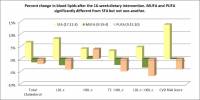
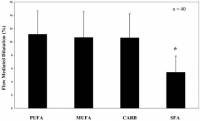
It was recently reported by an updated Cochrane Review that reducing saturated fat intake lowered the risk of having a heart attack without affecting the risk of dying from one. These effects were most pronounced when the saturated fat (SFA) was replaced by linoleic acid (PUFA), but there was surprisingly no observable benefit of replacement with monounsaturated fats (MUFA). However, the trials included in this meta-analysis were primarily interventions where only dietary advice was given to the participants who were then followed for some time, and the majority of participants were those who were at a high-risk of cardiovascular disease (CVD) and/or already had a heart attack. Thankfully, researchers from the University of Reading, UK recently published findings from the DIVAS study that should help shed some light on the issue of fat quality and CVD. The DIVAS study was a 16-week 195-person intervention in which the participants were randomized to...

Continue reading
  2330 Hits
SHR Logo

Super Human Radio is the world's longest running broadcast dedicated to health, fitness & anti-aging with an emphasis on exercise, nutrition, and hormone management. This one of the most progressive podcasts for preventative & regenerative techniques designed to increase longevity. More

2908 Brownsboro Rd Ste 103
Louisville, Kentucky 40206

(502)-690-2200

SHR Logo

Super Human Radio is the world's longest running broadcast dedicated to fitness, health, and anti-aging with emphasis on exercise, nutrition, and hormone management. The most progressive source of information for preventative & regenerative techniques... More

2908 Brownsboro Rd Ste 103
Louisville, Kentucky 40206
United States of America

+1 502-690-2200