• +1 502-690-2200
  • This email address is being protected from spambots. You need JavaScript enabled to view it.

Diet and weight loss are more important than exercise in the overweight-obese

Diet and weight loss are more important than exercise in the overweight-obese
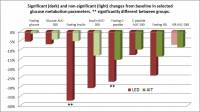
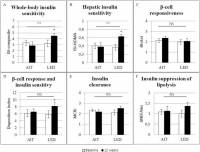
Changes from baseline in parameters of glucose metabolism
insulin sensitivity

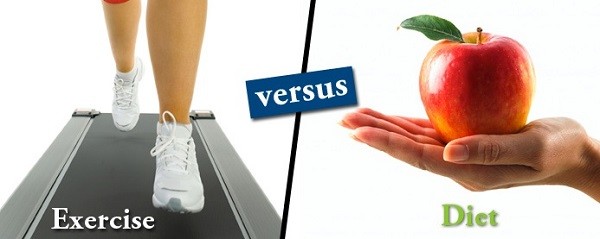
There are many benefits to be gained from exercise and weight loss in the overweight-obese population, and both are commonly prescribed to achieve cardiometabolic health improvements. However, exercise for weight loss is an inefficient and unsustainable route for many individuals. Instead, exercise should be done for health while weight loss is achieved through dietary modifications. But which has a greater impact? The answer comes from the University of Copenhagen, Denmark who recently published additional data from the CUT-IT study where 64 overweight-obese out-patients (age 45-75 years) with coronary artery disease (CAD) were randomized to undergo 12 weeks of aerobic interval training (AIT) three times weekly or consume a low-energy diet (LED) for 8-10 weeks followed by 2-4 weeks of transition to a high-protein/low-glycemic index diet. The AIT protocol involved a 38 minute session beginning with a 10-minute moderate-intensity warm-up followed by high intensity interval training (85-90% of VO2peak, Borg scale 17–18) on...

Continue reading
  4645 Hits

Make it to lunch and you're golden; effects of skipping breakfast don’t last forever

Make it to lunch and you're golden; effects of skipping breakfast don’t last forever
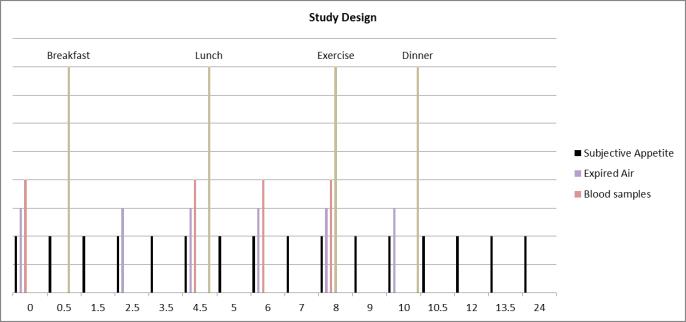
Experimental Protocol
Energy Expenditure
feelings of hunger

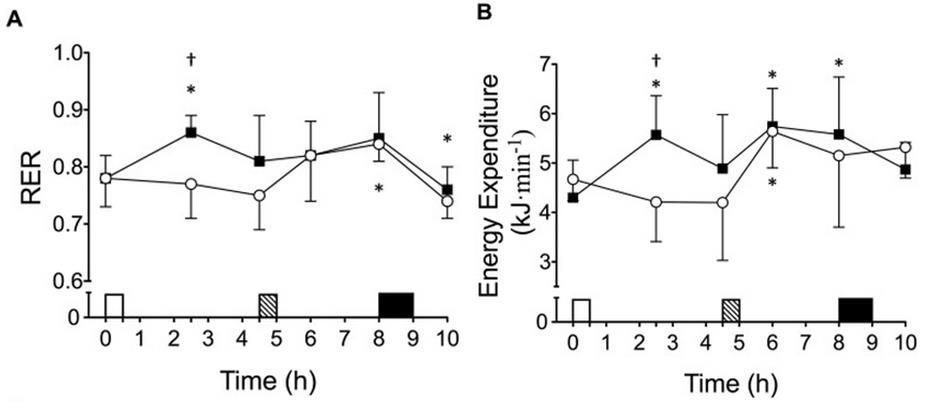
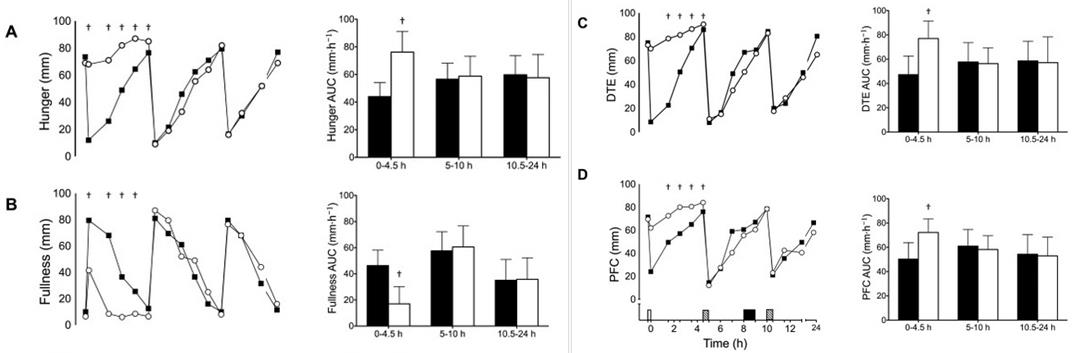
In a previous article I discussed a study showing that skipping breakfast does indeed lead to greater food and calorie intake during lunch, but not nearly enough to compensate for the calories not consumed at breakfast.  The researchers were able to show this outcome because they allowed for ad libitum food intake at lunch, meaning that the study participants could eat as much food as they wanted. This makes perfect sense considering the entire point of these studies is to compare how breakfast consumption or omission affects subsequent food intake, but it leaves an incomplete picture of the metabolic and hormonal effects breakfast may or may not have. What if eating as much food as you wanted at lunch wasn’t an option? What if you exercised later in the day? Many individuals who decide to skip breakfast do so in order to aid weight loss, and many may choose to monitor...

Continue reading
  1998 Hits

Yet another study on a truly high-protein diet (3.3 g/kg/day) – it’s safe in resistance-training males and you may lose a little fat

Yet another study on a truly high-protein diet (3.3 g/kg/day) – it’s safe in resistance-training males and you may lose a little fat


Dr. Jose Antonio has put out some truly novel research looking at high-protein diets. I’m not talking about the arbitrary 30% of calories that can vary widely depending on energy intake. Rather, I’m talking about grams per unit of bodyweight – as it should be. Previous research by Dr. Antonio had shown that taking a group of healthy resistance-training men and women and having them increase their protein intake from 2.3 to 4.4 g/kg (1 to 2 g/lb) had no effect on body composition. This study was followed up with another study that showed that consuming 3.4 g/kg (1.5 g/lb) had a more favorable effect on body composition than consuming 2.3 g/kg (1 g/lb) when combined with a structured resistance training program. This latter study also showed no signs of harmful effects from a basic metabolic panel. Now, Antonio et al have published the third study digging into this rabbit hole....

Continue reading
  4748 Hits

Can’t walk? Resistance training saves muscle from sedentariness

Can’t walk? Resistance training saves muscle from sedentariness
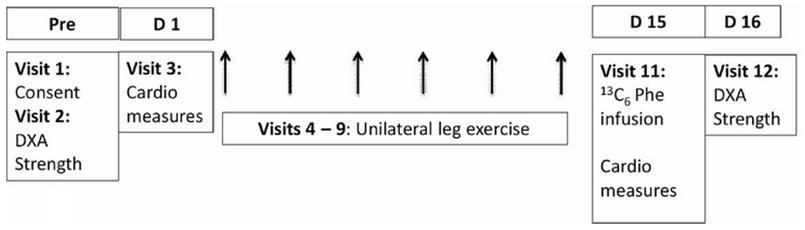
Study Outline
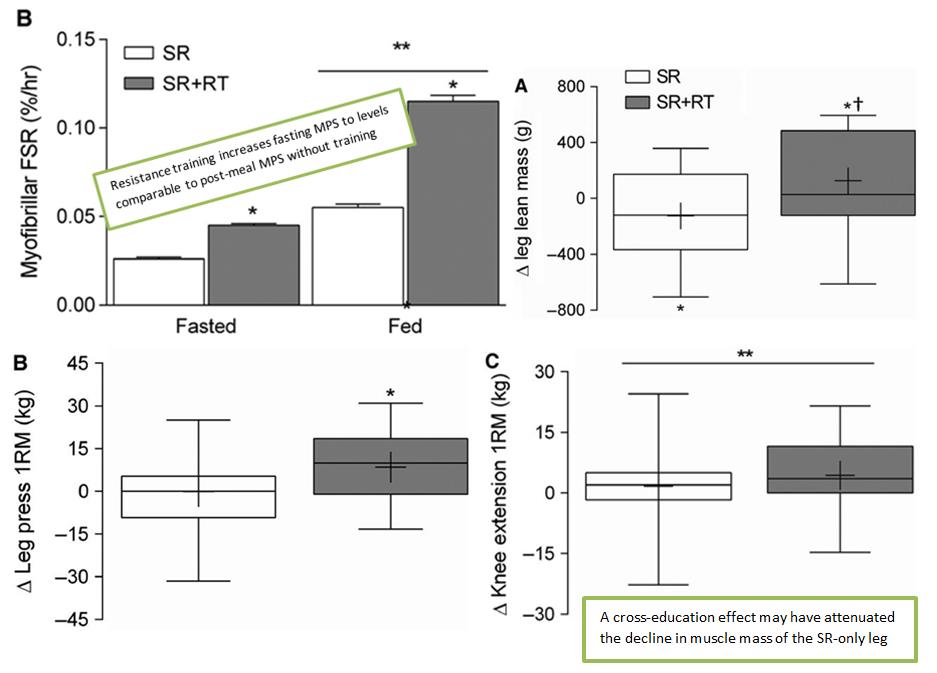
Changes in muscle protein synthesis, leg muscle mass, and leg strength after 2-weeks step reduction with (SR+RT) or without (SR) resistance training.

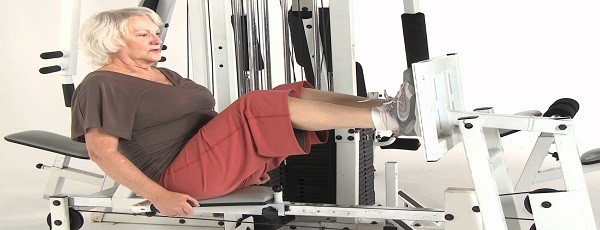
Generally speaking, with age comes a natural loss of muscle mass and function that is owed in no small part to a reduction in physical activity. This may be because protein metabolism is greatly influenced by the contractile activity of skeletal muscle, and it has been shown that muscular disuse results in a reduction in muscle protein synthesis (MPS) both after a meal and when in the fasting state. Even modest reductions in muscular loading through step‐reduction (SR; <1500 steps/day) for 2-weeks has been shown to reduce MPS in older adults, further supporting the notion that sedentariness plays a large role in the anabolic resistance of aging. Somewhat obviously, resistance training (RT) is the foundation of any intervention that seeks to counteract muscle and strength loss, and there is no shortage of evidence showing older individuals to benefit. However, many interventions use high-load programs that may not always be feasible for...

Continue reading
  2919 Hits

Physical activity and death – a potpourri of associations

Physical activity and death – a potpourri of associations
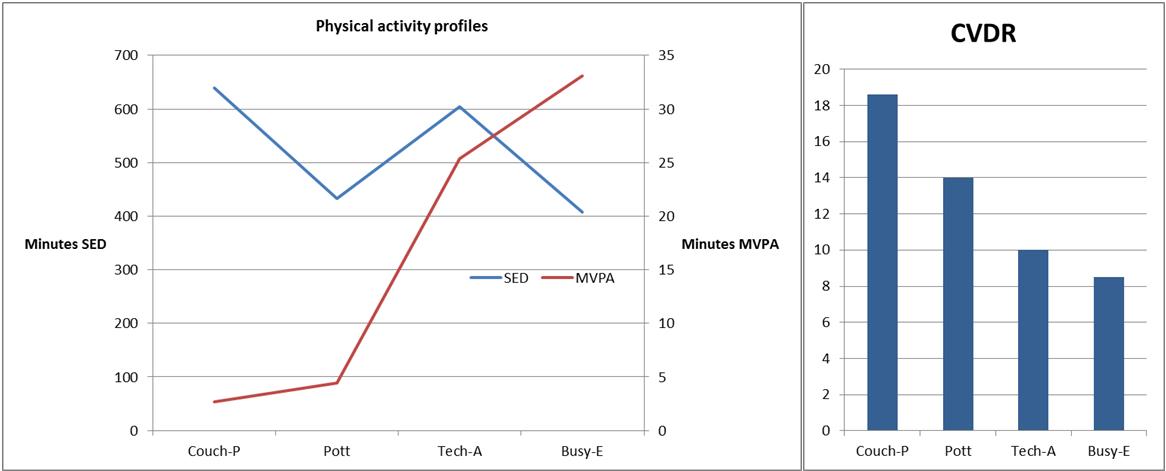
Physical activity profiles and cardiovascular disease risk (CVDR) of those profiles as determined by Maddison et al.
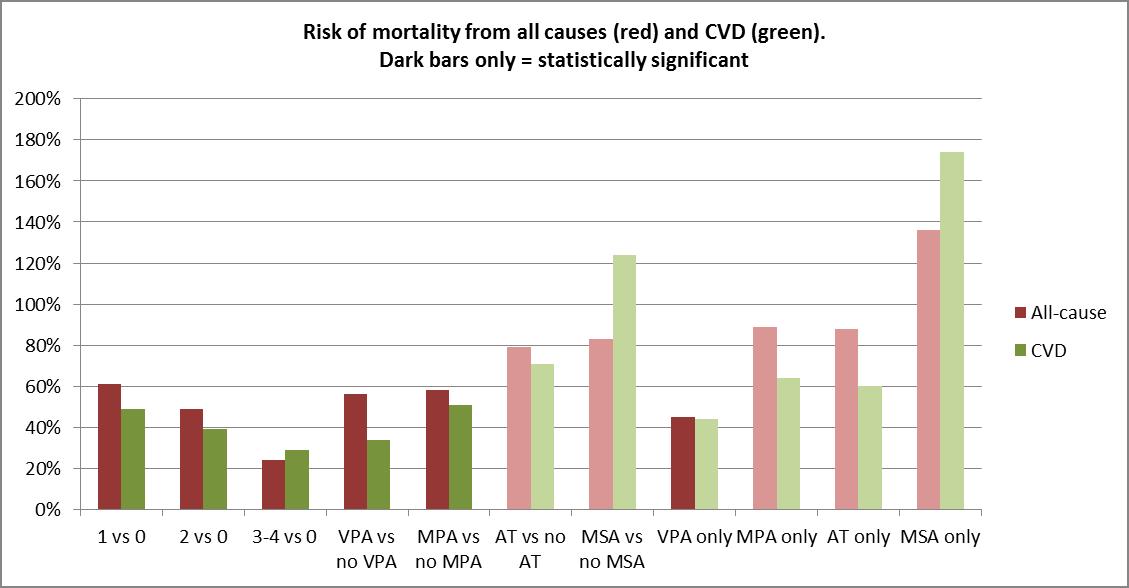
Combined, independent, and isolation effects of movement-based behaviors on risk of death from all causes and cardiovascular disease specifically.
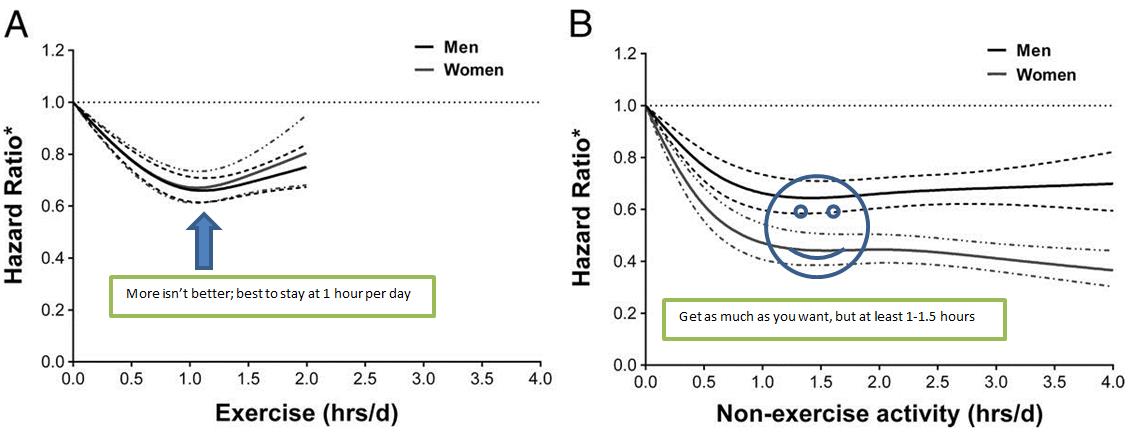
Exercise and non-exercise risk curves for death vs the amount of time spent in the activities.
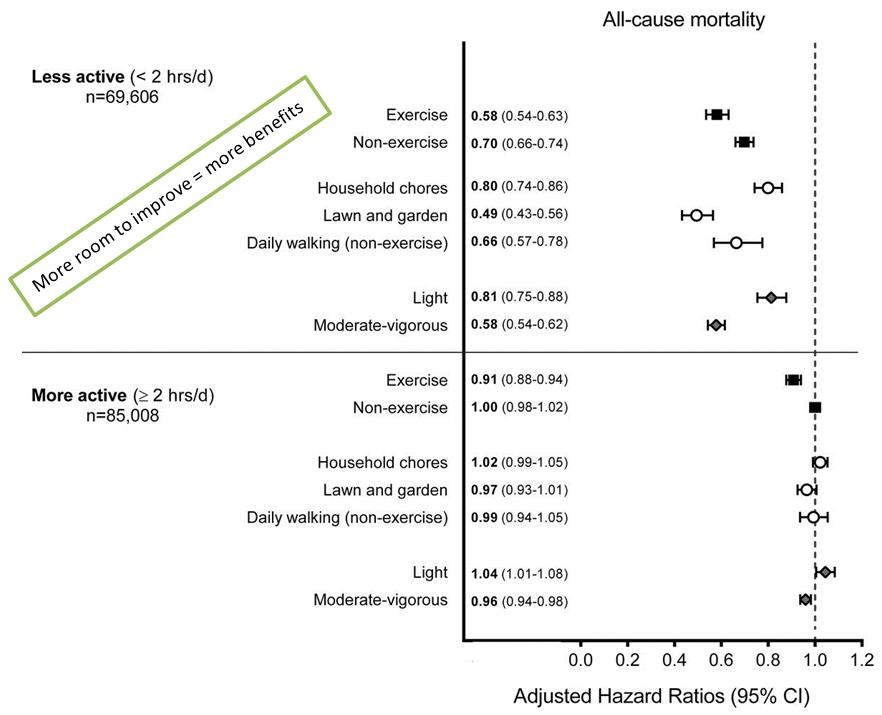
Risk of death from any cause in less and more active individuals from replacing 1 hour of sedentary time with 1 hour of certain activities.
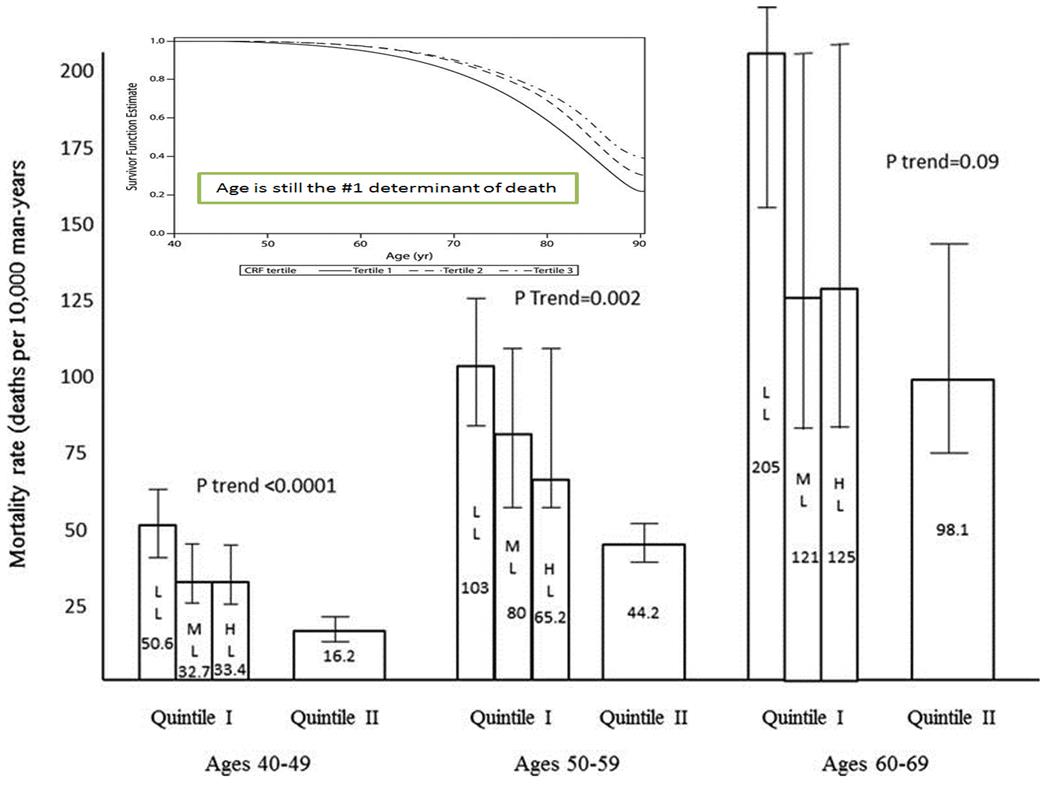
Mortality rate and survival curve for the lowest 2 quintiles of cardiorespiratory fitness.

In the U.S., it has been estimated that one-third of adults spend at least 9 waking hours and over two-thirds spend more than 7.5 waking hours being sedentary (SED) every day. In addition, more than two-thirds of adults achieve zero minutes of moderate-to-vigorous physical activity (MVPA). Interestingly enough, one-third of adults are obese and two-thirds are overweight. Coincidence? Not according to research suggesting that both increasing MVPA and reducing SED are required to substantially reduce the risk of obesity. More recently, a wave of publications has appeared in several journals that continue to support the what-should-be-obvious-by-now association between SED and/or MVPA and health. Although all these studies are epidemiological and thus prevent causal inferences, they still provide interesting information and identify associations for future direct testing. First up is the work of Maddison et al from University of Auckland, who sought to characterize typical activity profiles of Americans and determine their...

Continue reading
  3027 Hits

Reanalysis confirms, more protein maximizes fat loss in overweight adults

Reanalysis confirms, more protein maximizes fat loss in overweight adults
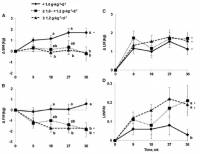
Changes in bodyweight (A), fat mass (B), lean-body mass (C), and the lean to fat mass ratio (D) every 9 weeks throughout the intervention. *Significantly different from zero (i.e., the change from before to after the intervention is significant). Values without a common letter are significantly different.
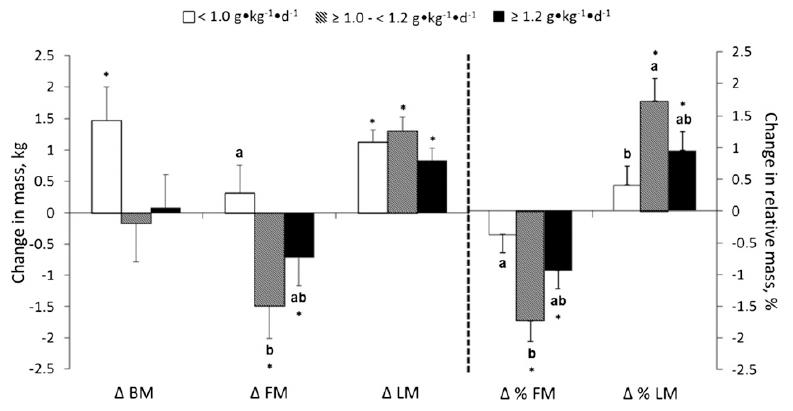
The changes in BM, FM, LM, %FM, and %LM; * significantly different from zero (i.e., the change from before to after the intervention is significant). Values without a common letter are significantly different.

In 2012, researchers from Purdue University published a study suggesting that increasing total protein intake through whey protein supplementation was not effective in enhancing exercise-induced improvements in body composition and indices of metabolic syndrome in middle-aged overweight and obese adults. In this double-blind, randomized, placebo-controlled, community-based study, 220 inactive adults [about half of which had metabolic syndrome (MetS)] completed a 9-month resistance training (2 d/wk) and aerobic training (1 d/wk) exercise program that ultimately led to increases in whole-body strength and VO2max and an increase in lean-body mass (LBM) and reduction in fat mass (FM) despite no bodyweight change. However, during this intervention period, the participants were also instructed to consume a 200 kcal sachet twice daily with breakfast and lunch that contained 0, 10, 20, or 30 g whey protein (total daily supplemental dose 400 kcal and 0, 20, 40, and 60 g whey, respectively), which had no impact on...

Continue reading
  1777 Hits

Super Human Roundup: Iron a double-edged sword, fat and microRNA, and rock climbing strength

Iron and metabolic syndrome; a shield for women and sword for men In an analysis of 3,271 Swiss men and women, Kilani et al found a significant relationship between serum transferrin levels and increased risk of metabolic syndrome (MetS) in men only, whereas serum iron was found to be significantly protective against MetS in women. Ferritin showed no associations with either sex. Although causality cannot be determined, two mechanisms have been proposed. The first is that MetS leads to increased inflammatory status that leads to changes in iron homeostasis. The second is that elevated transferrin leads to MetS through a complex web of mechanisms beginning with excessive formation of reactive oxygen species and ending with insulin resistance and related comorbidities. It’s the little things MicroRNAs (miRNAs) are small noncoding RNAs that have the ability to control multiple genes and govern remote bodily processes through intertwined pathways. Researchers from the University of...

Continue reading
  1587 Hits

Super Human Roundup: Is exercise really medicine? Can you chew your appetite away?

Is Exercise Really Medicine? An Evolutionary Perspective Daniel Lieberman from the Department of Human Evolutionary Biology, Harvard University recently published an editorial in Current Sports Medicine Reports asking several questions: Why do so many people fail to act in their own best self-interest, at least in terms of promoting good health? Why is exercise actually necessary for health? And what explains the exercise paradox: most people avoid exercise even though physical activity is vital for health? To answer these questions, Lieberman adopts an evolutionary perspective, asking first what types of exercise humans are adapted for and then why exercise may be considered medicine. Obviously all animals are adapted for some type of physical activity, but humans are unique among the primates in that we evolved to run; we became bipedal, started sweating, and developed big butts. In short, the demands of hunting and gathering account for a wide range of novel...

Continue reading
  1744 Hits

Creatine is good for the bones of postmenopausal women

Creatine is good for the bones of postmenopausal women
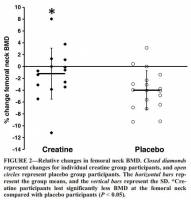
Relative changes in femoral neck BMD.

If I were to recommend a single supplement for another to take, it would be creatine monohydrate. Its benefits spread far beyond increases in muscle mass and athletic performance towards neurological protection and musculoskeletal health. More recently, creatine has been suggested as a maternal supplement to act as a “multi-organ protectant” for the fetus and neonate that gives it a promise not provided by the current therapies. Most importantly, creatine has an overwhelming base of evidence demonstrating it to be safe. Now, a new study extends creatine’s benefits onto the bone health of postmenopausal women. In this double-blind, parallel-group, randomized controlled trial, 33 otherwise healthy postmenopausal women engaged in a 12-month supervised resistance training program with or without creatine supplementation of 0.1 g/kg/day consumed in a split dose before and after training sessions or with two separate meals on non-training days. Exercise training involved fully supervised resistance training three times per week. Exercises...

Continue reading
  1944 Hits

Are the “healthy” obese more physically active?

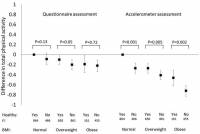
Differences in total physical activity across metabolic and obesity phenotypes based on questionnaire and accelerometer assessments.

Adjectives are relative, and while I would not consider any obese person to be healthy in general, there is no doubt that some obese individuals are healthier than other obese individuals. This is no different from how some normal-weight people are going to be healthier than other normal-weight people. The divide between healthy and unhealthy is typically the criterion for metabolic syndrome, which requires that an individual possess three or more of the following: abdominal obesity, hypertension, low HDL-c, high triglycerides, and prediabetes. Taking medications to manage any of these conditions also counts. Regardless of weight, common sense tells us that someone without metabolic syndrome is going to be healthier in general than someone with metabolic syndrome, and meta-analyses support this for type-2 diabetes and cardiovascular disease and mortality. A question we might ask is why some people become metabolically unhealthy? Given the vast literature base supporting the health benefits of...

Continue reading
  1585 Hits
SHR Logo

Super Human Radio is the world's longest running broadcast dedicated to health, fitness & anti-aging with an emphasis on exercise, nutrition, and hormone management. This one of the most progressive podcasts for preventative & regenerative techniques designed to increase longevity. More

2908 Brownsboro Rd Ste 103
Louisville, Kentucky 40206

(502)-690-2200

SHR Logo

Super Human Radio is the world's longest running broadcast dedicated to fitness, health, and anti-aging with emphasis on exercise, nutrition, and hormone management. The most progressive source of information for preventative & regenerative techniques... More

2908 Brownsboro Rd Ste 103
Louisville, Kentucky 40206
United States of America

+1 502-690-2200